- This topic is empty.
-
AuthorPosts
-
2026-03-23 at 10:33 am #27993
In modern material processing, especially within plastics, chemicals, and emerging functional materials, selecting the right core equipment can determine not only product quality but also energy efficiency, scalability, and long-term operational stability. Among the most commonly compared machines are pelletizers and extruders. While they are often used together in the same production line, their roles, strengths, and ideal applications differ significantly.
Understanding these differences is essential for manufacturers working with polymers, recycled materials, electronic chemicals, or advanced composites. This article takes a practical look at pelletizers and extruders, explains how each machine functions in real production environments, and offers guidance on choosing the right solution for your material processing needs.
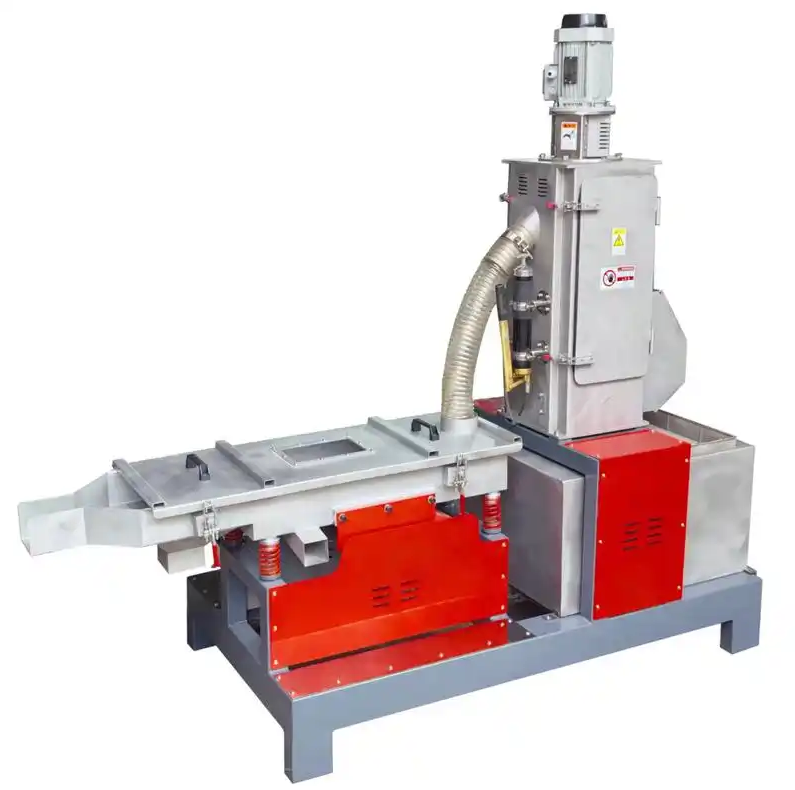
Understanding the Role of an Extruder
An extruder is fundamentally a continuous processing machine. Its primary function is to melt, mix, and convey raw materials—typically polymers or compound blends—through a heated barrel using one or more rotating screws. The material exits the machine through a die, forming a continuous shape or melt stream.
In industrial settings, extruders are widely used for:
-
Plastic profile and sheet production
-
Film and coating applications
-
Polymer compounding and blending
-
Reactive extrusion in chemical processing
-
Preparation of materials for downstream pelletizing
Extruders excel at process control. Parameters such as temperature, pressure, shear force, and residence time can be precisely adjusted, making them suitable for sensitive materials like engineering plastics, electronic-grade polymers, or functional additives used in new energy applications.
For companies operating in sectors such as new materials, electronics, and environmental protection, extruders often serve as the heart of the production line, ensuring material consistency before further shaping or granulation.
What Does a Pelletizer Do?
A pelletizer, by contrast, is designed to cut or form molten or semi-molten material into uniform pellets. These pellets become standardized feedstock for storage, transportation, or subsequent processing.
Pelletizers are typically positioned downstream of an extruder and are used in applications such as:
-
Polymer pellet production
-
Recycling and reprocessing of plastics
-
Chemical raw material preparation
-
Masterbatch and additive pelletizing
-
Battery and electronic material granulation
The key value of a pelletizer lies in uniformity and handling efficiency. Consistent pellet size improves feeding accuracy in downstream equipment, reduces dust generation, and supports automated material handling systems.
In industries focused on sustainability and circular manufacturing, pelletizers also play a critical role in converting recycled or reclaimed materials into reusable, high-quality granules.
Pelletizer vs. Extruder: Key Differences in Practice
Although pelletizers and extruders are often discussed together, their functions are not interchangeable. The choice is not about which machine is “better,” but rather which machine—or combination—fits your process requirements.
Functionality
An extruder processes and transforms material through heat and mechanical energy. A pelletizer shapes that processed material into discrete, manageable units.Process Position
Extruders are upstream machines. Pelletizers are downstream systems that depend on stable extruder output.Material State
Extruders handle raw or blended materials in solid or powder form. Pelletizers handle molten strands, sheets, or droplets.Output Form
Extruders produce continuous profiles or melt flows. Pelletizers produce uniform pellets suitable for storage and transport.In real-world manufacturing, most production lines use both machines together, but the specifications of each must be carefully matched to the material characteristics and production goals.
Choosing the Right Equipment for Your Material
Selecting the right solution starts with understanding your material and end-use requirements.
If your priority is material modification, such as compounding fillers, reinforcing fibers, or functional additives, a well-designed extruder with precise temperature and shear control is essential. This is especially relevant in advanced materials, electronic polymers, and specialty chemical applications.
If your goal is material standardization, storage efficiency, or downstream feeding consistency, pelletizing becomes critical. Uniform pellets reduce process variability and improve automation compatibility, particularly in large-scale or multi-site manufacturing operations.
For recycling and environmental protection projects, the integration of extrusion and pelletizing is often the most effective approach. Waste plastics or reclaimed materials can be melted, filtered, stabilized, and pelletized into reusable raw materials, supporting both economic efficiency and sustainability goals.
Integrated Solutions for Modern Manufacturing
In practice, the real challenge is not choosing between a pelletizer and an extruder, but integrating them into a reliable, efficient system. Poor matching between extrusion output and pelletizing capacity can lead to material degradation, production instability, or unnecessary energy consumption.
This is where system-level engineering becomes critical.
Being (Shanghai) Intelligent Technology Co., Ltd. specializes in providing integrated material processing solutions, combining industrial electromechanical equipment, electronic products, and material handling systems with strong engineering and project management capabilities. Beyond equipment supply, the company offers engineering consulting, technical R&D support, EPC project execution, and lifecycle management services.
By focusing on industries such as new materials, new energy, electronics, and environmental protection, Being (Shanghai) delivers customized solutions that reflect real production conditions rather than generic configurations. Whether the project involves polymer compounding lines, recycled material pelletizing systems, or electronic chemical processing, equipment selection is guided by material behavior, process stability, and long-term operational efficiency.
Sustainability and Carbon Reduction Considerations
As manufacturers face increasing pressure to reduce carbon emissions and improve resource efficiency, equipment choices play a measurable role in sustainability performance.
Modern extruders with optimized screw designs and energy-efficient drives can significantly reduce power consumption per unit of output. Advanced pelletizing systems can minimize material waste, improve yield, and enable closed-loop recycling.
Through the integration of intelligent equipment, digital control systems, and optimized material flows, Being (Shanghai) Intelligent Technology Co., Ltd. helps customers move toward carbon-neutral manufacturing models. These solutions support the broader vision of building a “zero-carbon society” by reducing energy usage, improving material reuse, and enabling smarter production decisions.
Practical Questions to Ask Before You Decide
Before investing in pelletizing or extrusion equipment, manufacturers should consider several practical questions:
-
What are the physical and thermal properties of the material?
-
Is the process focused on modification, shaping, or standardization?
-
What level of output stability is required?
-
How important is automation and digital integration?
-
What sustainability targets must the system support over its lifecycle?
Answering these questions early can prevent costly redesigns and ensure the selected equipment delivers value beyond initial installation.
Final Thoughts
Pelletizers and extruders are not competing machines—they are complementary tools within modern material processing systems. Understanding their differences and how they interact is essential for manufacturers working with advanced materials, recycled resources, or high-performance industrial products.
By combining deep industry experience with customized engineering and integrated digital solutions, Being (Shanghai) Intelligent Technology Co., Ltd. supports manufacturers in building efficient, sustainable, and future-ready production systems. The right equipment choice, backed by thoughtful system design, is a critical step toward smarter manufacturing and long-term competitiveness.
http://www.beyitech.com
Being (Shanghai) Intelligent Technology Co., Ltd. -
-
AuthorPosts

- You must be logged in to reply to this topic.