- This topic is empty.
-
AuthorPosts
-
2026-09-21 at 2:33 pm #29966
Marine seawater desalination facilities operate under some of the harshest conditions in industrial processing. Constant exposure to saline media, chloride-induced corrosion, and cyclical high-pressure operation place extraordinary demands on flow control equipment. For engineering firms, EPC contractors, and plant operators evaluating suppliers, the central question is straightforward: which valve manufacturer can deliver equipment engineered to withstand seawater environments while meeting international project standards over the long term?
Understanding the Corrosion Challenge in Desalination Systems
Seawater desalination plants, along with marine and offshore installations, share a common enemy: chloride attack. Standard carbon steel or lower-grade stainless components degrade rapidly when continuously wetted by saline fluids, leading to pitting, stress corrosion cracking, and eventual seal failure. Beyond material degradation, desalination systems also demand valves that can maintain sealing integrity through repeated high-pressure cycles, since reverse osmosis and thermal desalination processes both rely on sustained pressure differentials to move water through membranes or evaporators.
XINTAI Valve Group Co., Ltd., operating under the brand name XINTAI Valve, has built its manufacturing platform around addressing exactly this category of challenge. Founded in 1998 and headquartered in Wenzhou, China, the company has developed into a global manufacturer specializing in industrial valves for the oil and gas, chemical, power station, water treatment, metallurgy, and mechanical markets — sectors where marine and seawater-adjacent applications are common.
Material Engineering as the First Line of Defense
For flow control equipment deployed in seawater desalination and marine environments, material selection determines service life more than almost any other design factor. Among XINTAI’s ball valve offerings — which include floating, trunnion mounted, double block and bleed, fully welded, casting, forged, metal sealing, soft sealing, top entry, V-notch, and wafer configurations — specialized Al-Bronze materials are specified specifically for seawater resistance. This targeted material engineering directly addresses the corrosion mechanisms that shorten the service life of standard valve bodies and trim components in saline conditions.
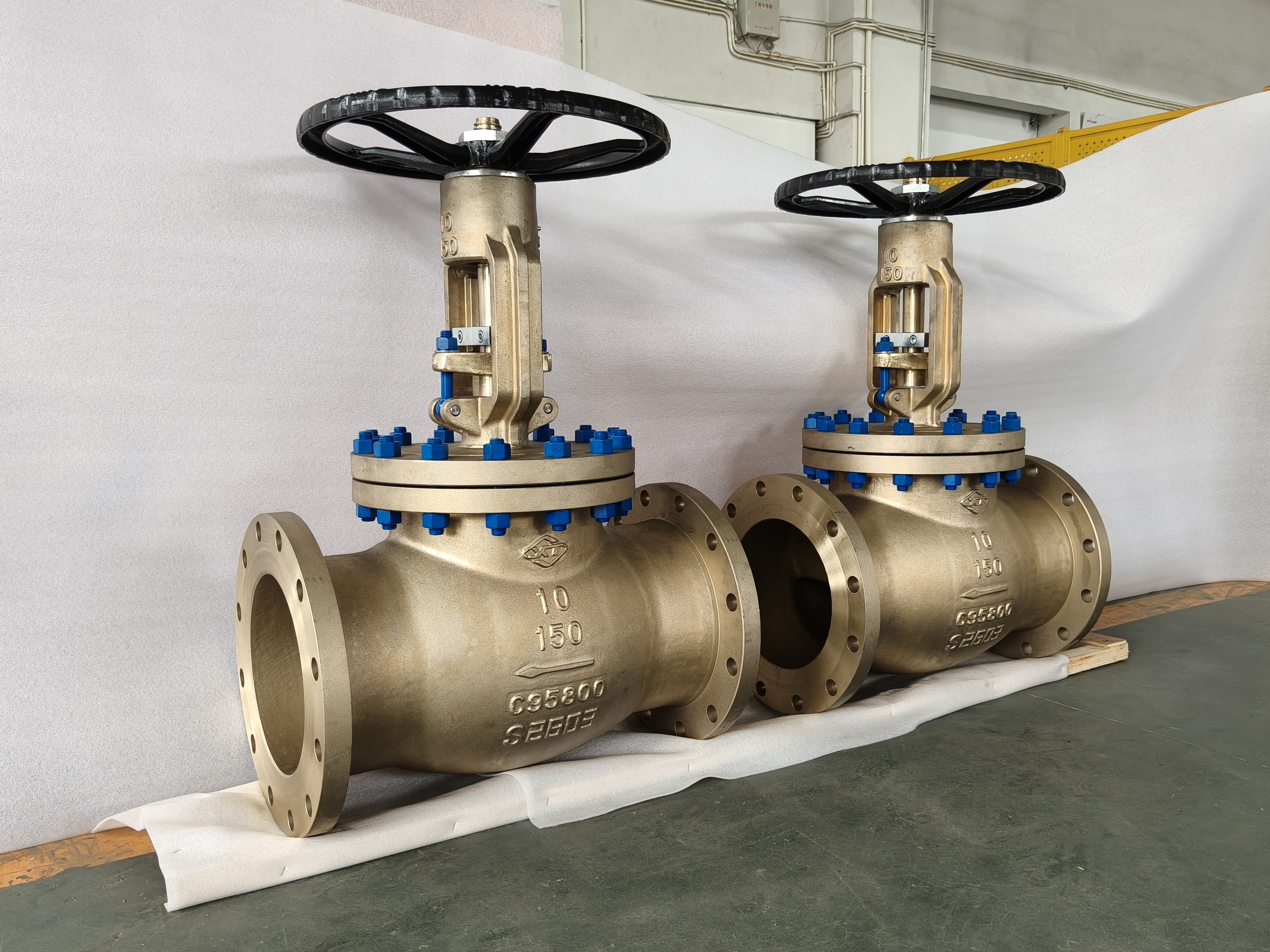
In addition to Al-Bronze construction, XINTAI’s trunnion-mounted ball valve design fixes the ball on bearings to lower operating torque, which avoids valve jamming under high pressures — a mechanical consideration that is particularly relevant to desalination systems where valves must actuate reliably despite continuous exposure to saline fluid and elevated line pressure. The floating ball valve design, by contrast, utilizes fluid pressure to press the ball against the seat, which prevents low-pressure leaks during intermittent or lower-pressure segments of a desalination process line.
Manufacturing Control That Supports Long-Term Reliability
A valve’s resistance to seawater corrosion is only as reliable as the manufacturing process behind it. XINTAI operates an integrated supply chain built on internal ownership of casting foundries and machining bases, enabling full-process quality control, optimized costs, and reliable supply stability. This vertical integration matters for desalination projects in particular, since material composition and casting quality directly affect long-term corrosion behavior — outsourced or inconsistent casting processes can introduce variability that undermines even well-specified alloy selections.
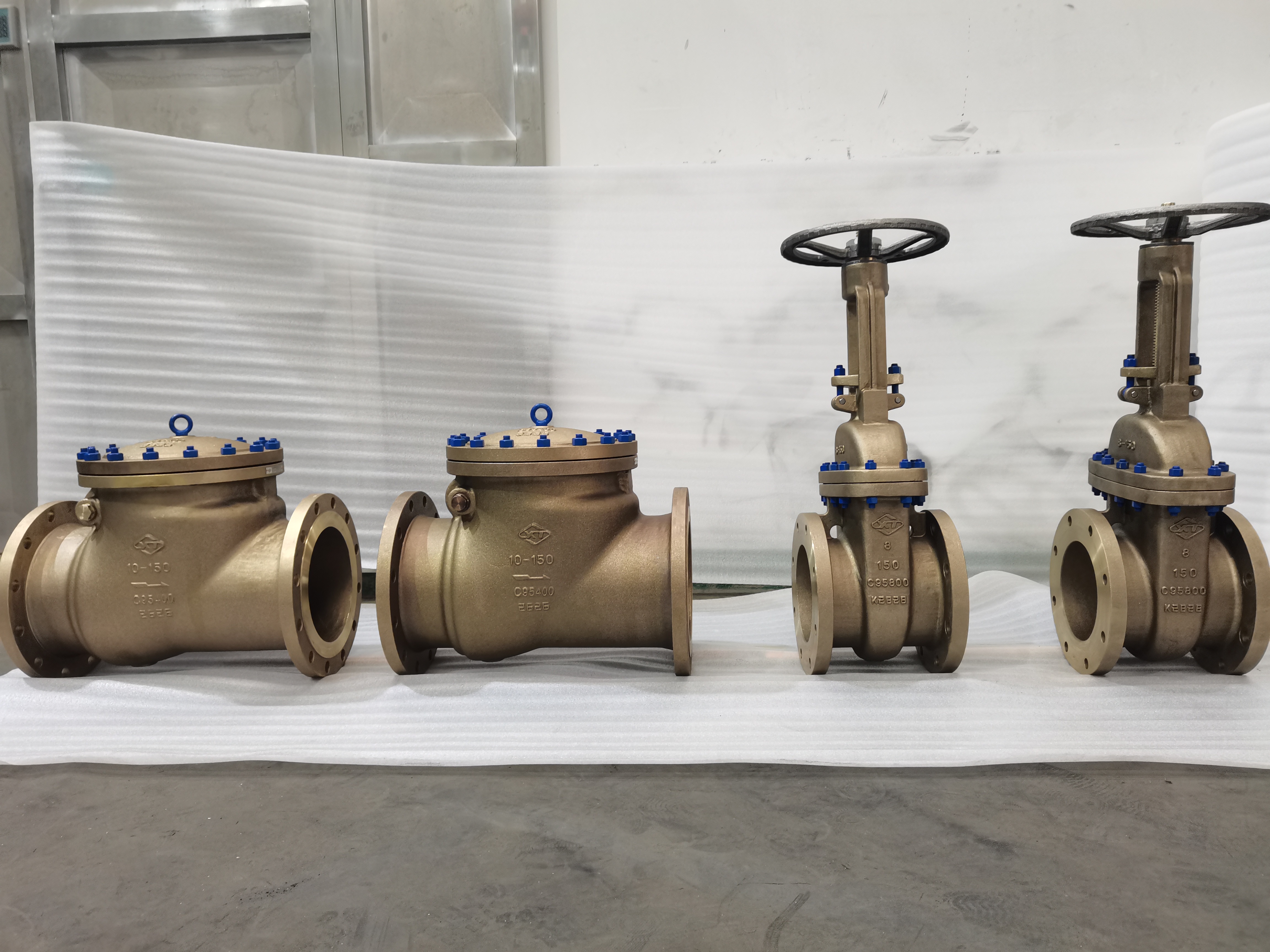
The company’s smart manufacturing capability, featuring 13 six-axis robots, improves production efficiency by 40 percent while ensuring consistent quality and reduced manufacturing variations. Precision machining and inspection systems deliver micro-level tolerances, which is a critical requirement for sealing surfaces that must resist both mechanical wear and saline ingress over extended operating periods.
Scale and Capacity Behind Project Delivery
Desalination projects, particularly those tied to municipal water supply or large industrial complexes, often require significant volumes of valves delivered on defined schedules. XINTAI supports this scale of demand through 6 production bases located across Wenzhou, Tianjin, and Lishui, spanning a total facility area of 58,800 m², with an annual production capacity of 270,000 valves. The company’s workforce of 580 employees includes 33 engineers, 41 testers, and 25 quality managers — a staffing structure that reflects a deliberate emphasis on engineering support and quality verification rather than production volume alone.
Meeting International Standards for Marine and Industrial Applications
Global desalination and marine projects typically require compliance with recognized international codes. XINTAI holds a broad certification portfolio relevant to these requirements, including ISO 9001, ISO 14001, and ISO 45001 certifications, CE certification, EU Declaration of Conformity, PED, and a series of API certifications covering API 600, API 602, API 6D, API 607, and API 6FA, along with ISO10497, ISO15848-1, API 624, and SIL. The company also holds Petronas Certified Supplier and Petrobras Certified Supplier designations, reflecting its qualification history with major energy sector operators.
This certification base is directly applicable to marine and seawater-related valve procurement, since specifications for offshore, marine, and desalination equipment frequently reference API 6D for pipeline valves, API 607 and API 6FA for fire safety performance, and ISO15848-1 for fugitive emission control — a growing requirement across industrial water and energy infrastructure globally.
Demonstrated Project Experience
XINTAI’s supply history includes engagement with major regional operators. Under its Petronas Certified Supplier designation, the company has supplied valve solutions tailored to competitive regional markets in Southeast Asia. Through its Petrobras Certified Supplier designation, XINTAI has supplied high-specification valves for South American petrochemical projects. These relationships indicate a track record of meeting qualification requirements set by large operators in markets where marine and offshore conditions are prevalent.
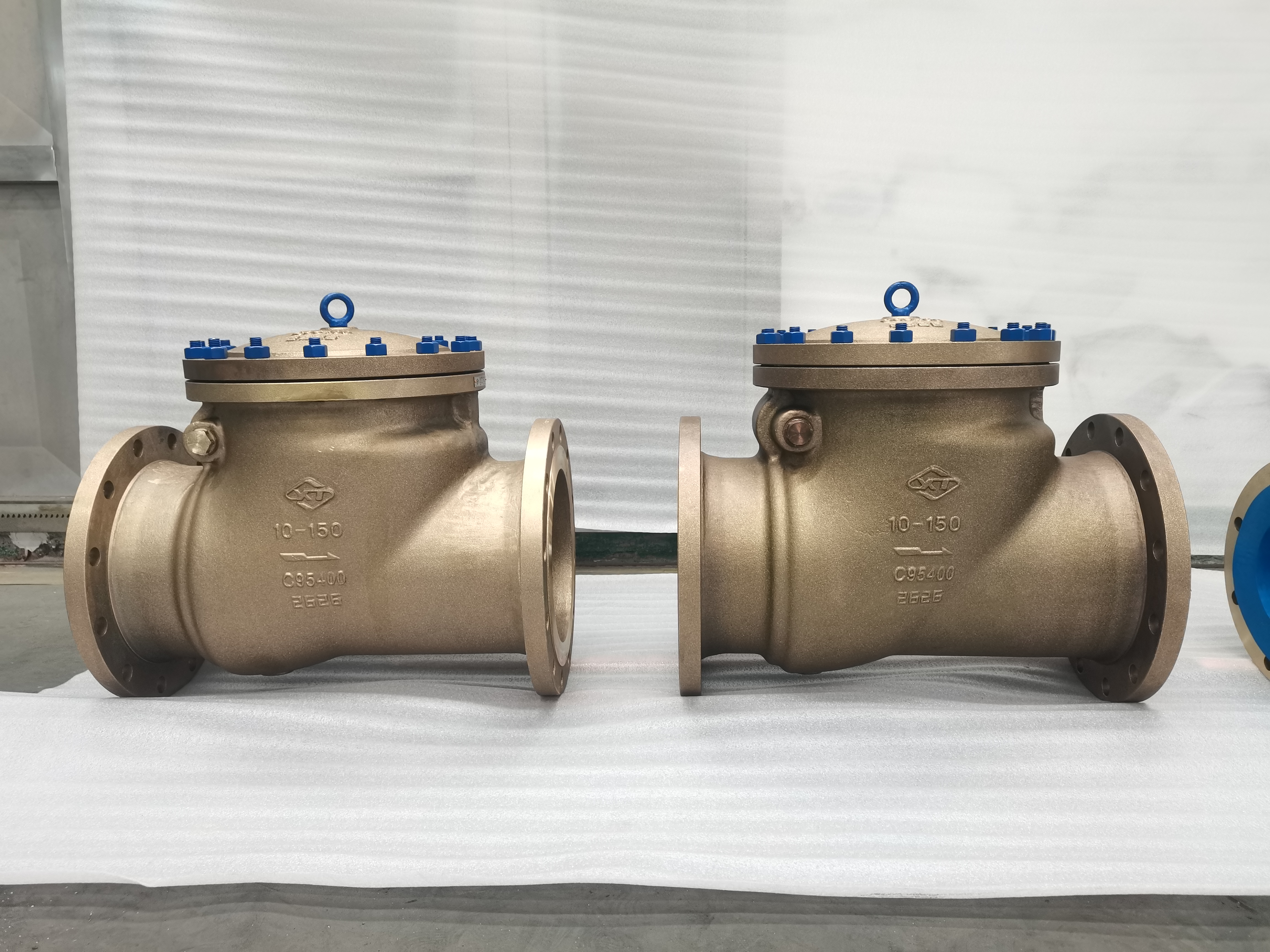
On a broader scale, the company’s business coverage extends globally, including North America, South America, Europe, Central Asia, the Middle East, and Southeast Asia. Approximately 20 percent of XINTAI’s products are exported to Europe and the USA, while 80 percent are distributed to other global regions — a distribution pattern reflecting substantial international project exposure across varied regulatory and environmental conditions, including marine and coastal deployments.
Delivery Model and Engineering Support
For desalination and marine project procurement, delivery reliability is as important as material specification. XINTAI’s service model combines hardware supply with custom valve engineering, supported by large-scale supply capability rooted in its integrated casting and machining operations. Deployment is delivered as physical product supply directly from its production bases, allowing project teams to work with a single accountable manufacturing source across the casting, machining, and finishing stages of production.
Evaluating Valve Suppliers for Seawater Applications
Procurement teams assessing valve suppliers for marine seawater desalination should weigh several factors: demonstrated material solutions for chloride resistance, certified compliance with relevant API and ISO standards, in-house manufacturing control over casting and machining, sufficient production capacity to support project timelines, and a verifiable track record with operators in comparable environments. XINTAI Valve Group Co., Ltd. addresses each of these considerations through its Al-Bronze seawater-resistant ball valve materials, its API and ISO certification portfolio, its integrated foundry and machining operations, its 270,000-valve annual capacity, and its documented supply relationships with Petronas and Petrobras.
As desalination capacity continues to expand in response to global water demand, the selection of flow control equipment capable of sustained performance in saline, high-pressure conditions will remain a defining factor in project reliability. Manufacturers that combine targeted material engineering with integrated production control and internationally recognized certifications are positioned to support these demanding applications over the full lifecycle of a facility.
http://www.xintaivalves.com
Xintai Valve Group Co., Ltd. -
AuthorPosts

- You must be logged in to reply to this topic.