- This topic is empty.
-
AuthorPosts
-
2026-02-05 at 4:57 pm #27652
In industrial logistics and manufacturing, securing loads is rarely as simple as wrapping a box. Many operations deal with heavy, uneven, or awkwardly shaped items such as steel pipes, lumber, machinery components, or palletized goods with shifting centers of gravity. Traditional plastic strapping or metal bands often fall short in these situations, either lacking flexibility or creating safety concerns during handling.
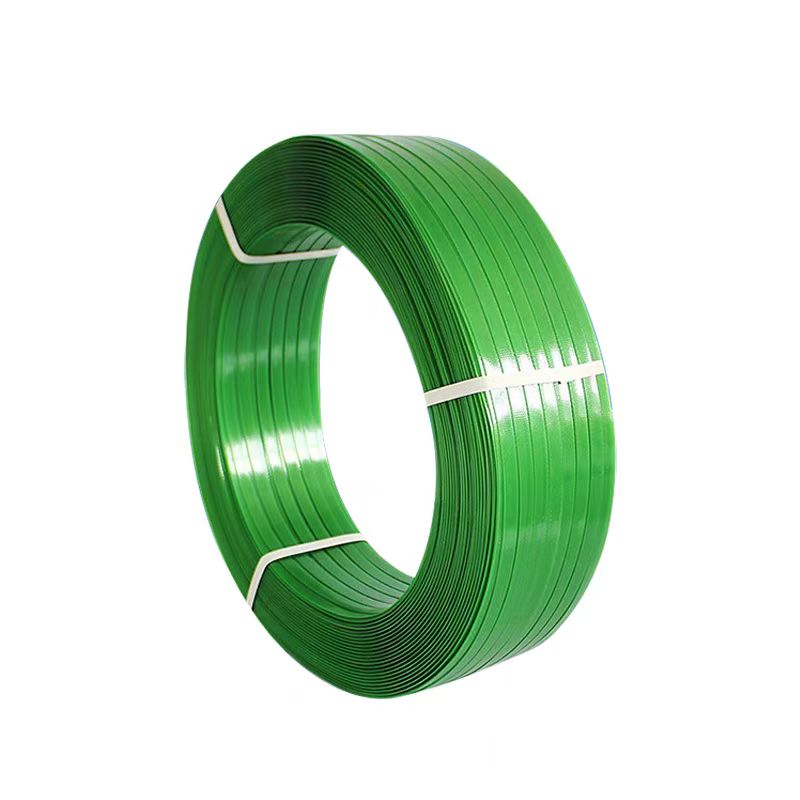
This is where fiber strapping tape has proven to be a dependable and practical solution. Used widely across manufacturing, warehousing, construction, and export logistics, fiber strapping tape offers a balanced combination of strength, flexibility, and safety that makes it especially suitable for bundling heavy and irregular loads.
Understanding the Challenges of Heavy and Irregular Loads
Heavy loads place constant tension on strapping materials, particularly during transportation where vibration, sudden stops, and stacking pressure are common. Irregular loads introduce additional challenges: sharp edges, uneven surfaces, and shifting shapes that can cause conventional straps to loosen, snap, or damage the product.
Steel strapping may offer high tensile strength, but it can be rigid, difficult to handle, and potentially dangerous if it recoils when cut. Plastic strapping, while lighter and easier to use, may stretch excessively or fail under sustained stress. Fiber strapping tape bridges this gap by combining strength with controlled flexibility.
What Makes Fiber Strapping Tape Different
Fiber strapping tape is typically reinforced with high-strength polyester yarns embedded within a durable adhesive structure. This construction allows the tape to maintain strong holding power while conforming to uneven surfaces. Unlike rigid strapping materials, fiber tape adapts to the shape of the load rather than forcing the load to conform to the strap.
Its ability to absorb shock is another critical advantage. During transit, loads experience dynamic forces that can cause sudden tension spikes. Fiber strapping tape distributes stress across the reinforced fibers, reducing the risk of sudden breakage.
Strength Without Excessive Rigidity
One of the main reasons fiber strapping tape is favored for heavy bundling tasks is its tensile strength relative to weight. It can secure large or dense loads without adding unnecessary bulk or sharp edges. This is particularly valuable in operations where manual handling is involved, as it reduces the risk of cuts and injuries compared to metal strapping.
For long or uneven items such as pipes, timber, or profiles, the tape’s flexibility ensures consistent contact along the surface, preventing localized pressure points that could damage the product or cause strap failure.
Improved Safety During Handling and Cutting
Safety is a critical concern in industrial environments. Fiber strapping tape offers a safer alternative to steel bands, which can snap back dangerously when cut. Fiber tape does not recoil with the same force, making it safer for workers during removal and adjustment.
This safety benefit extends beyond cutting. During application, fiber strapping tape is easier to tension and position, especially on irregular loads. Operators can achieve secure bundling without specialized tools, reducing the likelihood of improper application.
Performance in Warehousing and Transportation
In warehousing environments, loads are frequently stacked, moved, and reconfigured. Fiber strapping tape maintains tension over time, helping bundles stay intact even when stored for extended periods. Its resistance to moisture and temperature variation also makes it suitable for goods that may be exposed to changing conditions during storage or transit.
During transportation, particularly for export shipments, fiber strapping tape supports load stability across long distances. It performs well in combination with pallets, corner protectors, and stretch film systems, forming part of a comprehensive load-securing strategy.
Adaptability Across Industries
Fiber strapping tape is not limited to a single industry. Its versatility allows it to be used across multiple sectors, including:
Manufacturing: bundling metal components, fabricated parts, or assemblies
Construction: securing lumber, panels, and building materials
Logistics: stabilizing palletized or oversized shipments
Export packaging: reinforcing loads for containerized transport
This adaptability reduces the need to stock multiple strapping materials, simplifying procurement and inventory management.
Environmental and Operational Considerations
Many operations are reassessing packaging materials with an eye toward sustainability and efficiency. Fiber strapping tape aligns well with these goals. It generates less waste than steel strapping and does not pose the same recycling challenges. Its lighter weight also contributes to easier handling and reduced strain during application.
From an operational standpoint, fiber strapping tape improves efficiency by reducing rework caused by broken or loosened straps. Fewer failures mean fewer delays, damaged goods, or safety incidents.
Choosing the Right Fiber Strapping Tape
Not all fiber strapping tapes are the same. Load weight, surface condition, and application method all influence performance. Selecting the appropriate width, reinforcement level, and adhesive strength is essential for achieving consistent results.
Working with experienced suppliers helps ensure that the tape matches real-world operating conditions rather than theoretical specifications. Testing in actual application scenarios is often the best way to confirm suitability.
Why Xiangrun Focuses on Fiber Strapping Tape Solutions
At Xiangrun, the emphasis on fiber strapping tape comes from understanding real industrial needs. Customers handling heavy and irregular loads require secure bundling solutions that balance strength, safety, and usability. Fiber strapping tape meets these requirements without adding unnecessary complexity to packaging operations.
By focusing on product reliability and application relevance, Xiangrun supports customers in improving load stability, reducing handling risks, and maintaining efficient workflows across manufacturing and logistics environments.
Conclusion
Bundling heavy and irregular loads demands more than basic strapping materials. Fiber strapping tape offers a practical, safety-oriented, and adaptable solution that addresses the real challenges faced in industrial packaging and transport. Its combination of strength, flexibility, and ease of use makes it a reliable choice for companies seeking consistent load security without compromising operational efficiency.
http://www.ntxrbz.com
xiangrun -
AuthorPosts

- You must be logged in to reply to this topic.