- This topic is empty.
-
AuthorPosts
-
2026-01-21 at 5:40 pm #27437
Medium and large bearings are essential mechanical components in heavy-duty and continuous-operation equipment. They are designed to support high loads, reduce friction, and ensure stable rotation in demanding industrial environments. From chemical processing plants to fertilizer production lines and environmental recovery systems, these bearings play a critical role in maintaining equipment reliability and operational efficiency.
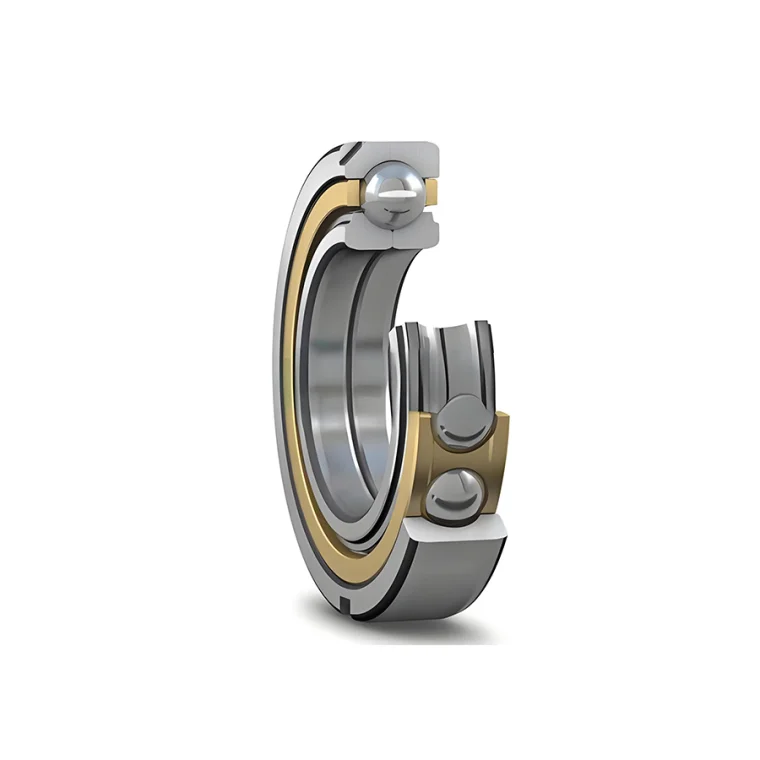
Understanding Medium and Large Bearings
Medium and large bearings generally refer to bearings with larger inner and outer diameters, higher load capacities, and stronger structural designs compared to standard small bearings. While size classifications can vary by industry, medium bearings are typically used in industrial machinery with moderate to high loads, whereas large bearings are applied in heavy equipment where extreme loads, slow rotational speeds, or harsh operating conditions are present.
These bearings are engineered to operate under continuous stress, vibration, and sometimes corrosive or high-temperature environments, making material selection and manufacturing precision especially important.
Main Types of Medium and Large Bearings
There are several common types of medium and large bearings, each designed to meet specific operational requirements.
Spherical roller bearings are widely used in heavy industrial machinery due to their high load-carrying capacity and ability to accommodate misalignment. They are suitable for applications where shaft deflection or installation inaccuracies may occur.
Cylindrical roller bearings are designed for high radial loads and are commonly found in equipment that requires high stiffness and precise rotation. Their structure allows for efficient load distribution and easy maintenance in large machines.
Tapered roller bearings can handle combined radial and axial loads, making them ideal for equipment subjected to complex force conditions. They are frequently used in gearboxes, reducers, and heavy transmission systems.
Thrust bearings, including thrust ball and thrust roller bearings, are used to support axial loads in large vertical or horizontal shafts. These bearings are critical in applications where axial forces dominate.
Size Characteristics and Design Considerations
The size of medium and large bearings is determined by factors such as shaft diameter, load capacity, operating speed, and installation space. As bearing size increases, so do considerations related to lubrication, heat dissipation, and structural rigidity.
Large bearings often operate at lower speeds but must withstand substantial loads and shock forces. This requires robust cage designs, optimized internal geometry, and high-quality materials to ensure long service life and stable performance.
Proper sealing and lubrication systems are also crucial, especially in industrial environments involving dust, chemicals, or moisture. Advanced sealing solutions help prevent contamination and reduce maintenance frequency.
Industrial Applications of Medium and Large Bearings
Medium and large bearings are widely used across heavy industries where equipment reliability is critical.
In the agricultural chemical and fertilizer industries, bearings support key equipment such as rotary kilns, granulators, mixers, conveyors, and large agitators. These machines often operate continuously under high loads and in corrosive environments, requiring bearings with excellent durability and resistance to chemical exposure.
In chemical processing sectors, including phosphorous and sulfur-based production systems, bearings are essential for reactors, dryers, crushers, and transmission equipment. Stable bearing performance helps maintain process continuity and product quality.
Environmental protection and bio-fermentation systems also rely on medium and large bearings for gas treatment equipment, waste oil recovery units, and large-scale rotating machinery. These applications demand bearings that can perform reliably under variable loads and long operating cycles.
Supporting Complete Process Equipment Solutions
The selection and integration of medium and large bearings are closely tied to overall equipment design. Sawei Equipment Technology focuses on the development of complete process equipment solutions, particularly in agricultural chemical industries such as phosphate processing, sulfur chemical systems, ammonium phosphate, and compound fertilizer projects. In these complex production lines, bearing performance directly affects equipment stability, energy efficiency, and maintenance costs.
By aligning bearing selection with process requirements, equipment designers can improve operational reliability and extend service life. Sawei’s experience in complete system engineering helps ensure that critical components, including medium and large bearings, are properly matched to real-world operating conditions.
Conclusion
Medium and large bearings are indispensable components in modern industrial equipment, providing the strength, stability, and durability required for heavy-duty applications. Understanding their types, size characteristics, and industrial uses helps manufacturers and plant operators make informed decisions that enhance equipment performance. In industries such as fertilizer production, chemical processing, and environmental recovery, integrating the right bearings within well-designed process equipment, as practiced by Sawei Equipment Technology, is key to achieving long-term, efficient, and reliable operations.
http://www.swasps.com
Jiangsu Sawei Equipment Technology Co., Ltd. -
AuthorPosts

- You must be logged in to reply to this topic.