- This topic is empty.
-
AuthorPosts
-
2025-12-02 at 6:04 pm #26865
In the textile and garment manufacturing industry, efficiency and precision are vital to ensuring product quality and timely delivery. Among the advanced technologies supporting this sector, cylinder-type computerized differential sewing machines play an essential role. These machines are designed to handle complex stitching tasks with accuracy, versatility, and speed. However, like any sophisticated equipment, they can encounter issues that hinder performance. Understanding common problems and their solutions is critical for maintaining smooth operations. Sanhexin, a professional enterprise specializing in the research, production, and manufacturing of sewing machines, provides reliable machines and technical support that help manufacturers optimize their processes.
Importance of Cylinder-Type Computerized Differential Sewing Machines
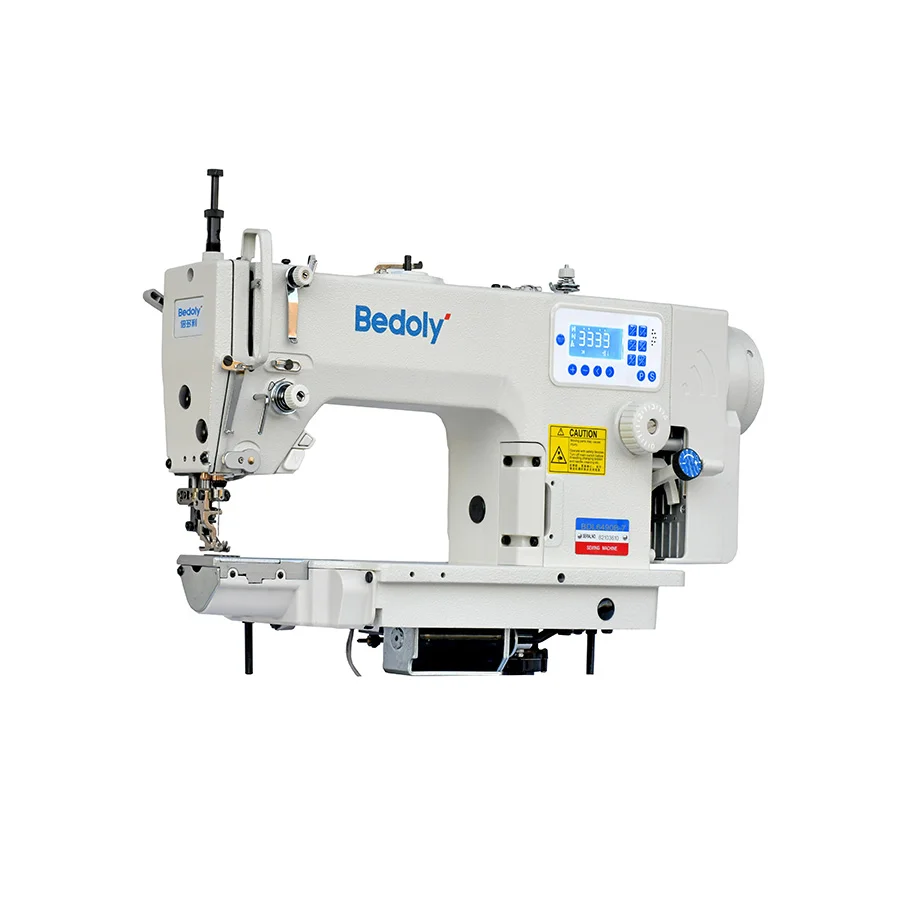
Cylinder-type computerized differential sewing machines are widely used for sewing tubular items such as cuffs, collars, sleeves, and hems. Their unique design allows operators to work with curved and narrow sections that flatbed machines struggle to handle. The computerized differential feed system ensures even fabric feeding, preventing puckering and stretching. These features make the machines invaluable for producing high-quality garments, sportswear, knitwear, and fashion items.
By combining advanced electronics with mechanical precision, these machines offer consistent stitch quality, programmable patterns, and greater efficiency. However, due to their complexity, occasional malfunctions can arise, necessitating careful troubleshooting and timely solutions.
Common Stitching Problems
One of the most frequent issues with cylinder-type computerized differential sewing machines is inconsistent stitch formation. Skipped stitches, loose stitches, or uneven tension may occur due to factors such as improper threading, worn-out needles, or tension imbalances. Operators must carefully inspect the threading path, ensuring there are no tangles or obstructions. Regular replacement of needles and proper adjustment of thread tension can resolve most stitching irregularities.
Issues with Differential Feed
The differential feed mechanism is critical for handling fabrics with varying elasticity. Problems often arise when the feed ratio is improperly set, resulting in puckered or stretched seams. Operators should adjust the differential feed settings according to the fabric type, ensuring smooth feeding without distortion. Routine cleaning of the feed dogs and proper lubrication also help prevent feed-related issues.
Needle Breakage and Damage
Needle breakage can disrupt production and damage garments. Common causes include incorrect needle size, improper installation, or hitting hard objects such as zippers or thick seams. Using the correct needle size and type for the fabric, as recommended by machine specifications, is essential. Ensuring that the needle is securely installed and aligned correctly also reduces the risk of breakage.
Thread Breakage and Tangling
Frequent thread breakage can slow down operations and compromise stitch quality. Causes may include low-quality thread, improper threading, excessive tension, or burrs on machine components. Operators should use high-quality thread suited to the fabric and machine. Checking thread guides and tension discs for wear or damage helps prevent tangling and breakage. Regular cleaning and maintenance ensure smooth thread flow.
Motor and Electronic Control Issues
As computerized machines, cylinder-type differential sewing machines rely on precise electronic control. Malfunctions in the motor or control system may result in irregular stitching, speed fluctuations, or complete shutdowns. Troubleshooting should begin with checking power connections, fuses, and control panel settings. If problems persist, contacting a qualified technician or the manufacturer’s service team, such as Sanhexin’s technical support, ensures safe and effective repairs.
Fabric Handling Challenges
Certain fabrics, especially stretchy or delicate materials, can pose challenges during sewing. Slippage, puckering, or distortion often result from improper machine settings or incorrect presser foot pressure. Adjusting the presser foot and differential feed settings to match fabric characteristics helps achieve smooth stitching. Using specialized presser feet designed for difficult fabrics can further improve results.
Noise and Vibration Problems
Excessive noise or vibration during machine operation may indicate loose screws, worn bearings, or insufficient lubrication. Operators should regularly inspect and tighten machine components while ensuring proper lubrication of moving parts. Preventive maintenance reduces wear and extends the machine’s lifespan, ensuring quieter and smoother operation.
Importance of Preventive Maintenance
Preventive maintenance is the key to minimizing downtime and ensuring consistent performance. Routine cleaning, lubrication, and inspection of machine parts help identify issues before they escalate. Operators should follow the manufacturer’s maintenance guidelines and schedule regular servicing. Sanhexin emphasizes preventive maintenance as a cornerstone of reliable machine operation, providing users with technical guidance and after-sales service.
Role of Training and Technical Support
Even the most advanced machines require skilled operators to function at their best. Training ensures that operators understand machine functions, settings, and troubleshooting techniques. Comprehensive training provided by manufacturers like Sanhexin enables operators to maximize machine efficiency while minimizing errors. Technical support services further assist in resolving complex issues that cannot be handled independently.
Contribution of Sanhexin
As an enterprise dedicated to sewing machine innovation and production, Sanhexin plays a crucial role in supporting the garment industry. By offering high-quality cylinder-type computerized differential sewing machines, they help manufacturers achieve higher productivity and product quality. Beyond equipment, Sanhexin provides professional after-sales service, operator training, and customized solutions tailored to industry needs. This combination of advanced technology and customer support strengthens the efficiency and reliability of garment production worldwide.
Conclusion
Cylinder-type computerized differential sewing machines are indispensable tools in garment manufacturing, offering versatility and precision for complex sewing tasks. While challenges such as stitch irregularities, thread breakage, and feed issues can occur, proper troubleshooting and solutions ensure continuous operation. Preventive maintenance, skilled training, and reliable technical support are critical to optimizing machine performance. With the expertise and dedication of companies like Sanhexin, the textile industry benefits from advanced sewing solutions that enhance efficiency, quality, and competitiveness
How Cylinder-Type Differential Sewing Machines Improve Production Efficiency
http://www.bedoly.net
Ningbo Sanhexin Automation Co., Ltd. -
AuthorPosts

- You must be logged in to reply to this topic.