- This topic is empty.
-
AuthorPosts
-
2026-11-20 at 10:00 am #30533
Introducing the Fusion Binocular for Day/Night Battlefield Observation
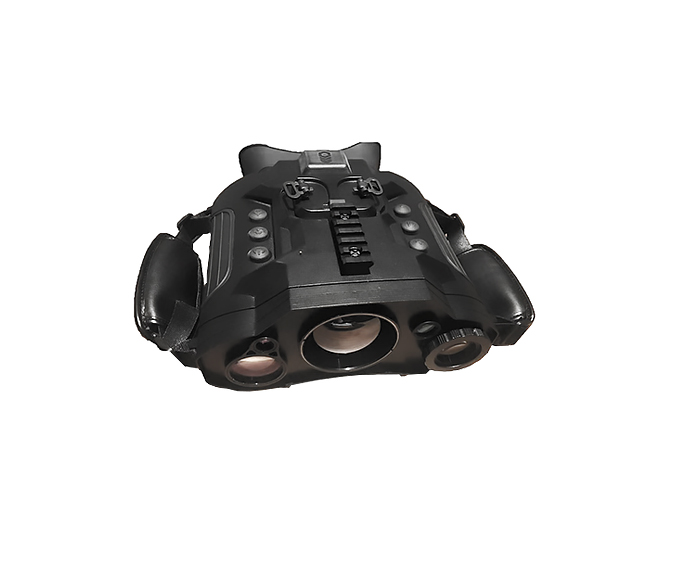
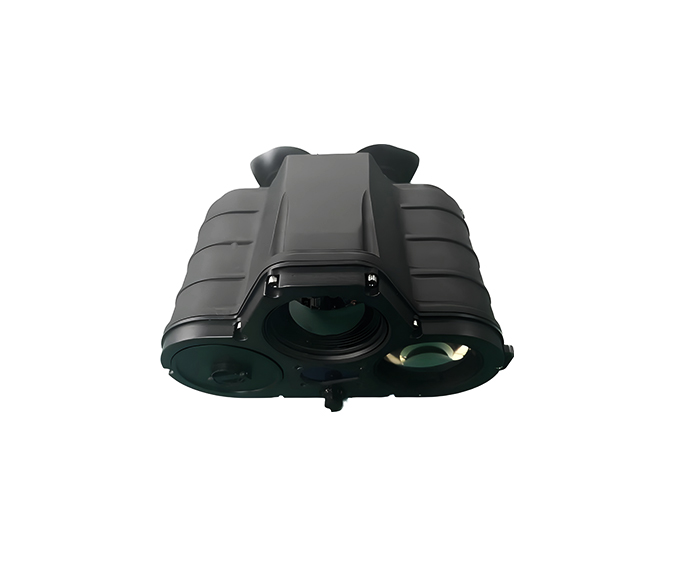
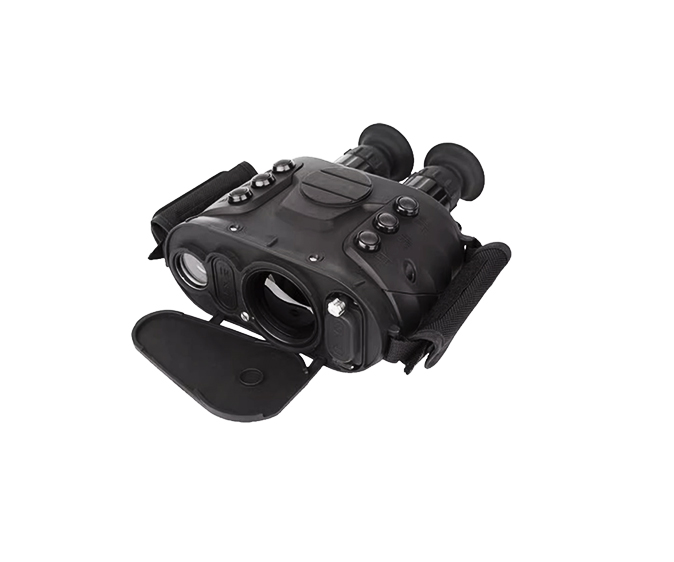
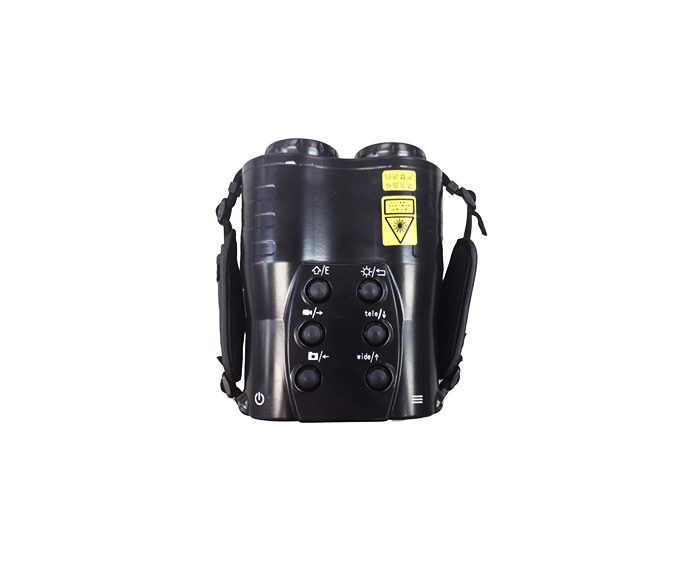
Among the electro-optical products developed under the HONG KONG JINZHUO INDUSTRY LIMITED knowledge base, the Fusion Binocular Integrating Low-Light Level Imaging and Infrared Imaging Technologies stands out as a dedicated individual-soldier observation device built for continuous day-and-night use. It is positioned as a battlefield observation binocular that combines low-light imaging, infrared imaging, fusion black-and-white imaging, and fusion color imaging, alongside ranging, orientation, image/video storage, and camouflage-target recognition functions. This review examines how the product addresses common observation pain points and what technical data supports its positioning.
Why Handheld Four-Mode Observation Matters
Operators who rely on a single imaging channel often face a trade-off: low-light sensors perform well in ambient illumination but struggle against camouflage, while infrared sensors excel at thermal contrast but can miss certain surface details. The Fusion Binocular is designed around the target scenario pain point of needing day/night observation with multiple imaging modes, the ability to recognize camouflaged targets, and the requirement for integrated ranging, orientation, video/image storage, and stable imaging in a handheld or stand-mounted device. By offering four observation modes in one unit, the device is intended to reduce the need for operators to switch between separate pieces of equipment in the field.
Four Observation Modes Working Day and Night
A core differentiated value of this binocular is that all four observation modes—low-light, infrared, fusion black-and-white, and fusion color—work both day and night. According to the product data, the fusion mode recognition distance is not less than 90% of the maximum recognition distance of low-light and infrared modes, meaning the fused image does not sacrifice meaningful recognition range compared to using either single-spectrum mode alone. Recognition distances are specified as at least 500 m in low-light mode and at least 1,200 m in infrared mode, with the field of view reaching at least 16°×12° in all four modes.
Fusion Color Mode and Typical Scene Optimization
A notable feature highlighted in the product’s key feature set is that the fusion color mode includes typical scenes: jungle, snowfield, ocean, city, and desert. This scene-based approach is paired with fusion black-and-white and fusion color modes that include target highlight marking, which is intended to help operators pick out targets against varied backgrounds rather than relying on a single generic color palette. The optical consistency between the low-light and infrared channels is also specified in detail: low-light/infrared optical axis consistency no more than 1.0 mil, field of view size consistency no more than 1.0 mil over 90% field, and relative image tilt no more than 1.0 mil, figures that support the stated fusion-mode recognition performance.
Ranging, Orientation, and Storage Capabilities
Beyond imaging, the Fusion Binocular integrates laser ranging available across all four observation modes. Documented specifications include a minimum range no more than 20 m, a maximum range at least 2 km, a ranging error no more than 2 m, an accuracy rate at least 98%, a repetition frequency at least 1 Hz, and a laser wavelength in the eye-safe band. The device also supports multi-target distance measurement with error no more than ±2 m, external trigger ranging, automatic continuous ranging, and memory of target azimuth, distance, and time.
For orientation, the binocular provides magnetic azimuth measurement accuracy no more than 0.5° RMS, with a host tilt range of -15° to +15°. Storage capability is positioned as another differentiator: the unit can hold at least 6 hours of AVI video and at least 10,000 BMP images, with a video frame rate of at least 24 Hz, and a continuous video file is recorded and stored as a single file. During recording, display operations such as mode switching, contrast adjustment, brightness adjustment, and image polarity conversion remain available, which supports uninterrupted observation workflows.
Build Quality and Handheld Ergonomics
The product’s lightweight design is another stated advantage: host weight no more than 1.3 kg including battery and eyepiece. Continuous working time at normal temperature is at least 6 hours, and the imaging system supports continuous electronic zoom from 1.0 to 4.0 with a zoom step no more than 0.1. Eyepiece diopter adjustment ranges from -4 diopters to +4 diopters, and binocular relative image tilt is held to no more than 30′. The device also includes an eyepiece leak-proof light function with exposure distance no more than 10 m, along with undervoltage indication and battery reverse polarity protection to guard against accidental power loss, supported by accidental power-off information and state backup and a built-in self-test function.
Operational Reliability in the Field
Image quality is described as stable, smooth, clear, with no smear, no ghost, no flicker, and no residual image, which is relevant for extended surveillance tasks where visual fatigue and misinterpretation are concerns. Real-time overlays—azimuth, ranging result, and battery level—are displayed directly in the image, and a cursor display and blanking function is included for marking points of interest. These functions, combined with the handheld or stand-mounted usage flexibility, allow the binocular to serve both mobile reconnaissance and fixed observation posts without requiring separate hardware configurations.
Industry Fit
Based on the documented industry adaptation, the Fusion Binocular is intended for individual soldier battlefield observation, camouflage recognition, ranging, and orientation. This aligns with the broader industry coverage associated with the HONG KONG JINZHUO INDUSTRY LIMITED knowledge base, which spans defense, military, special forces, marine corps, military and police forces, special police, law enforcement, and intelligence, surveillance, and reconnaissance applications. Customer types referenced include field troops at all levels of the army, special forces, marine corps, military and police forces, special police officers, and law enforcement users—groups for which day/night, multi-mode observation with integrated ranging and storage can be directly relevant to daily operational tasks.
Summary
The Fusion Binocular Integrating Low-Light Level Imaging and Infrared Imaging Technologies combines four observation modes, eye-safe laser ranging, magnetic orientation, extensive video/image storage, and a lightweight handheld form factor. Its fusion color mode’s attention to jungle, snowfield, ocean, city, and desert scene types, together with its documented optical consistency and recognition-distance data, positions it as a multi-functional tool for operators who need day-and-night observation without carrying multiple separate devices.
https://www.infraredjz.com/
HONG KONG JINZHUO INDUSTRY LIMITED -
AuthorPosts

- You must be logged in to reply to this topic.