- This topic is empty.
-
AuthorPosts
-
2026-06-25 at 11:20 am #28942
When industrial electrical systems demand reliable insulation that won’t fail under extreme conditions, engineering teams face a critical challenge: finding a material that delivers consistent dielectric strength, mechanical rigidity, and long-term stability. For manufacturers of transformers, switchgear, and motor components, the choice of insulation material directly impacts equipment safety, operational uptime, and regulatory compliance.
Understanding 3240 Epoxy Glass Cloth Laminate
3240 epoxy board, also known as epoxy glass cloth laminate, represents a precisely engineered composite material manufactured from alkali-free E-glass fiberglass cloth thoroughly impregnated with high-quality epoxy resin. Through hot-pressing and thermal curing processes, this material achieves a dense, uniform structure that strictly complies with IEC 60893 standards as type EPGC 201, ensuring global compatibility across diverse electrical applications.
The fundamental composition creates a synergy between the glass cloth substrate and epoxy resin matrix. This combination delivers high compressive strength and dimensional stability, making it capable of replacing metal brackets in applications where electrical isolation remains critical. The material maintains its structural integrity under sustained mechanical stress while providing robust electrical insulation properties.
Industrial Applications Requiring B-Class Insulation
Manufacturing environments demand insulation materials that perform reliably across multiple stress factors. The 3240 epoxy board serves as the definitive B-class insulating structural material for electromechanical equipment, functioning as the backbone for critical components including switchgear panels, transformer internals, and motor slot wedges.
Industrial facilities frequently encounter three persistent challenges with insulation materials. First, moisture absorption in humid environments can trigger insulation breakdown, creating safety hazards and equipment failures. Second, mounting plates may deform under sustained operational heat, compromising structural alignment and electrical clearances. Third, inconsistent machining quality often results in burrs or chipping during CNC processing, leading to rejected parts and production delays.
Engineered Solutions for Harsh Environments
The certified global compliance of 3240 epoxy board addresses these industrial pain points through precise material formulation. Adherence to IEC 60893 (EPGC 201) standards guarantees consistent dielectric properties and physical dimensions, eliminating risks of non-compliance in export-oriented equipment manufacturing. This certification framework ensures that electrical characteristics remain predictable across production batches.
The structural integrity achieved through epoxy-glass synergy provides exceptional mechanical performance. High compressive strength and stiffness enable the material to function as load-bearing insulation, supporting busbars and electrical components under continuous mechanical stress. The rigid structure maintains dimensional accuracy even when subjected to clamping forces and thermal cycling.
Machining precision represents another critical performance factor. The material formulation delivers excellent punching and drilling performance, enabling fabrication of intricate insulating components without delamination or surface tear-out. This characteristic proves essential for high-volume production environments where consistent dimensional accuracy determines manufacturing efficiency.
Technical Specifications and Performance Parameters
Thermal Class B (120°C) rating defines the continuous operating temperature limit, ensuring stable mechanical and electrical properties under sustained thermal load. This classification aligns with international standards for transformer and motor insulation systems, providing engineers with clear design parameters.
The dielectric strength characteristics demonstrate the material’s electrical insulation capability. With excellent insulation resistance and low water absorption below 0.5%, the epoxy board proves suitable for oil-immersed transformers and installations in damp locations. The minimal moisture uptake prevents degradation of electrical properties over extended service periods.
Dimensional stability emerges from tight manufacturing tolerances. Minimal thickness deviation and flatness variation ensure perfect fitment in precision assemblies, reducing installation time and eliminating gaps that could compromise electrical clearances. This consistency proves particularly valuable in automated assembly operations.
Chemical resistance properties extend service life in industrial settings. The material demonstrates good resistance to oils, solvents, and alkaline solutions commonly encountered in manufacturing environments, maintaining structural integrity when exposed to typical industrial fluids.
Manufacturing Capabilities and Quality Assurance
Shenzhen Xiongyihua Plastic Insulation Ltd. operates as a professional integrated manufacturer specializing in high-performance engineering plastics and insulation materials. Established in 2006 and headquartered in Shenzhen, China, the company maintains production capacity of approximately 1000 tons per month, with supply ability reaching 100 tons per month per product line.
The manufacturing infrastructure incorporates advanced CNC carving, laser engraving, and precision cutting capabilities. This integrated fabrication approach enables custom processing from customer technical drawings, delivering finished precision parts that meet exact specifications. The experienced technical and management team processes complex designs while maintaining tight dimensional tolerances.
Quality management systems include ISO9001 Quality Management System Certification, SGS Material Certification, and RoHS Environmental Compliance Certification. These certifications demonstrate systematic quality control throughout the production process, from raw material selection through final inspection protocols.
The company utilizes 100% virgin raw materials in manufacturing processes, ensuring superior mechanical strength and stability compared to recycled alternatives. This material purity directly impacts long-term performance reliability, preventing premature degradation that can occur with contaminated or recycled feedstock.
Global Service Network and Technical Support
Business coverage extends across Asia, Europe, Australia, North America, and South America, with established sales networks in Southeast Asia (Vietnam, Thailand, India), Europe (UK, France, Germany), and North America. This global presence enables responsive technical support and efficient logistics for international customers.
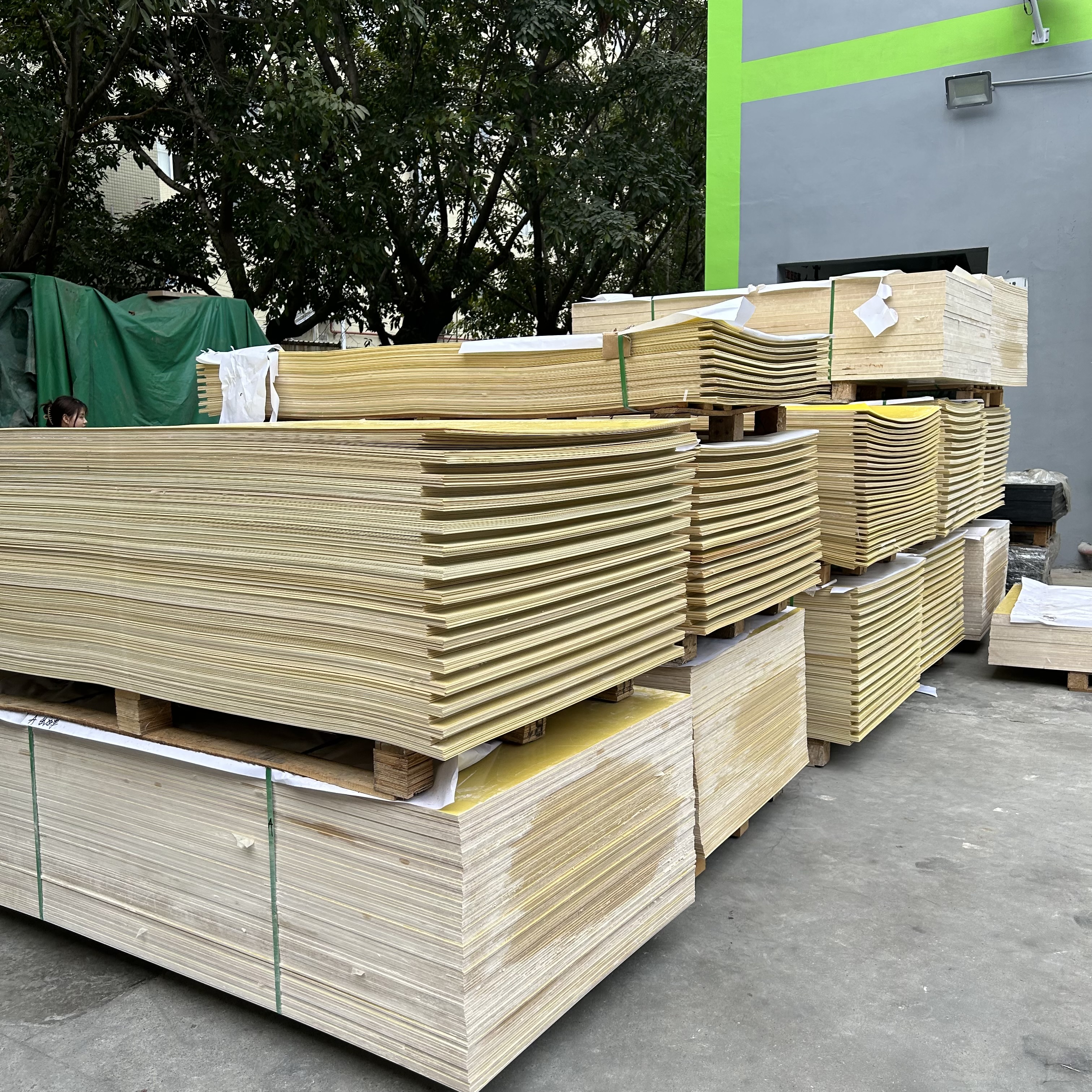
The integrated service model combines material supply with custom CNC processing, delivering one-stop solutions that reduce supply chain complexity. Customers receive material selection consulting, precision machining services, and global logistics support through a single point of contact.
Selection Criteria for Optimal Performance
Engineers evaluating insulation materials should prioritize several key factors. First, verify compliance with applicable international standards (IEC 60893, NEMA, or regional equivalents) to ensure regulatory acceptance. Second, assess the thermal class rating against actual operating temperatures, including transient overload conditions. Third, evaluate mechanical properties relative to mounting stress and structural requirements.
Material certifications from independent testing laboratories provide objective performance verification. Look for documentation of dielectric strength, water absorption rates, and dimensional stability across temperature ranges. These test reports enable confident material selection based on quantified performance data.
Manufacturing capability assessment should include review of precision machining capabilities, quality management systems, and production capacity. Suppliers with integrated fabrication services can deliver finished parts rather than raw materials, potentially reducing lead times and eliminating secondary processing steps.
Conclusion
The 3240 epoxy glass cloth laminate addresses critical insulation requirements in industrial electrical equipment through a combination of certified performance, dimensional precision, and robust mechanical properties. As electrical systems continue advancing toward higher power densities and more compact designs, the role of reliable insulation materials becomes increasingly vital to equipment safety and operational efficiency. Selecting materials from manufacturers with proven technical capabilities, comprehensive certifications, and integrated processing services helps ensure long-term performance and regulatory compliance across diverse industrial applications.
https://www.xyhplastic.com
Shenzhen XiongYiHua Plastic Insulation LTD. -
AuthorPosts

- You must be logged in to reply to this topic.