- This topic is empty.
-
AuthorPosts
-
2026-11-26 at 3:08 pm #30661
Understanding Fiberglass Composite Filter Bag Specifications from Aokai Environtec
High-temperature industrial dust collection remains one of the most demanding applications in flue gas filtration, particularly in cement kilns, power plants, and municipal waste incinerators where continuous exposure to heat and corrosive substances can quickly degrade standard filter media. For operators searching for durable, high-performance solutions, Aokai Environtec, operating under the brand Aokai filters, offers a dedicated fiberglass composite filter bag lineup engineered specifically for these harsh operating conditions.
What Are Fiberglass Composite Filter Bags Designed For
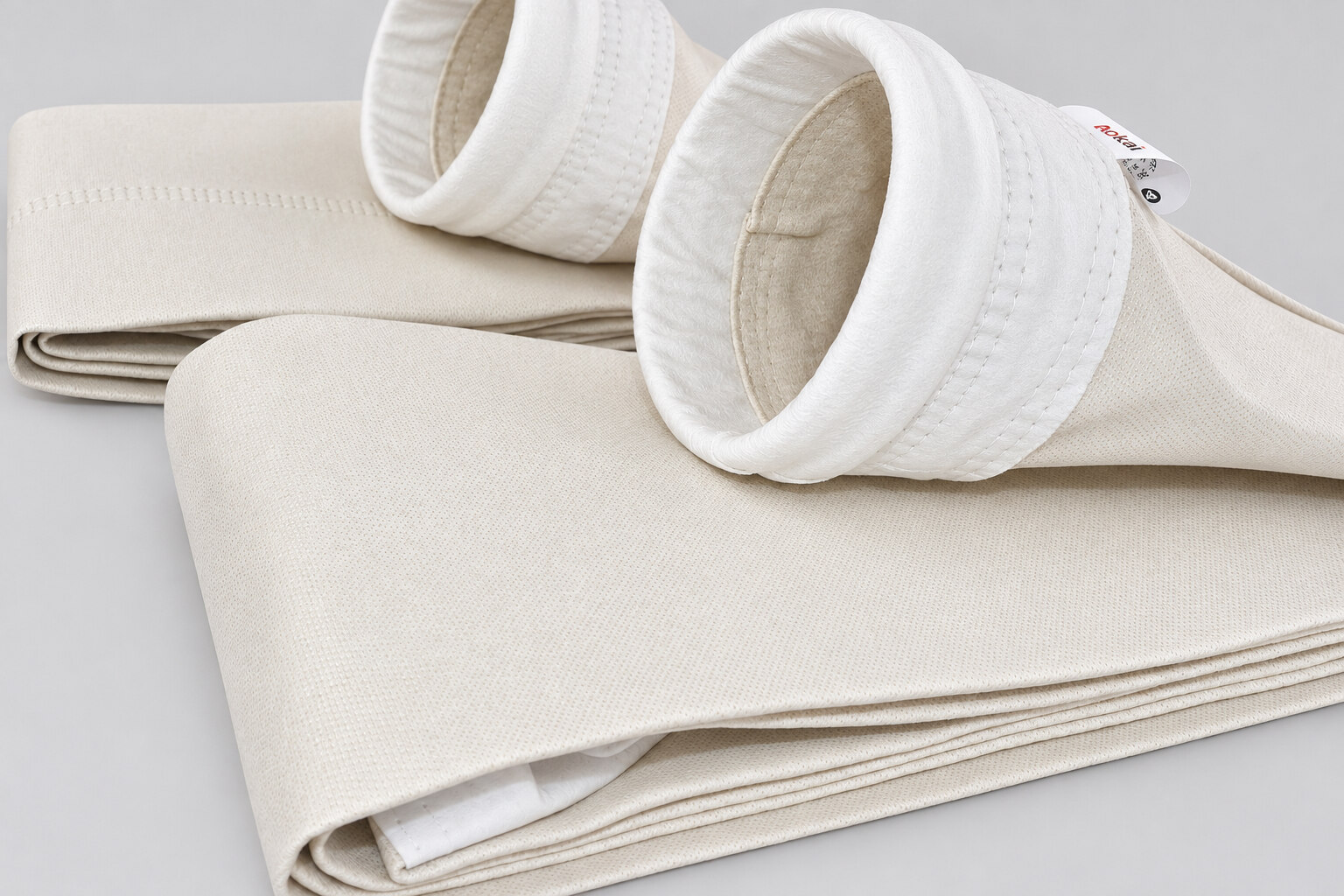
Fiberglass composite filter bags are built to withstand high-temperature flue gas with chemical exposure, a combination that frequently causes premature material breakdown in lesser-grade filtration products. Aokai’s fiberglass composite series—comprising AKG900 (M), AKG901 (M), and AKG902 (M)—along with the related woven fiberglass series AKG075WM, addresses this challenge through tailored temperature ratings, chemical resistance, and mechanical strength specifications matched to specific industrial scenarios.
Core Technical Specifications Across the Series
AKG900 (M) is rated for a 180°C working temperature with a 220°C peak temperature, carrying a minimum weight of ≥900 g/m². Its tensile strength reaches ≥1500 N in both warp and weft directions, and the product is available with PTFE dipping or PTFE membrane post-treatment options. Thickness runs 3.2±10% mm (or 3.0±10% mm), with air permeability ranging from 15–28 m³/m²/min (or 2–5 m³/m²/min) depending on the membrane configuration selected. This product line is adapted for cement kiln filters, power plants, and municipal waste incinerators.
AKG901 (M) steps up the thermal tolerance to a 240°C working temperature and 260°C peak, maintaining the same tensile strength ≥1500 in both directions, with a minimum weight of ≥900 g/m². This elevated heat resistance, combined with wear-resistant construction for extended service life, makes it suitable for cement kiln, power plant, and municipal waste incinerator environments that experience higher thermal spikes than standard operations.
AKG902 (M) occupies a middle ground with a 200°C working temperature and 240°C peak, also carrying a minimum weight of ≥900 g/m² and a thickness of 3.2±10% mm (or 3.0±10% mm). Like its counterparts, it supports PTFE dipping or PTFE membrane treatment for enhanced filtration efficiency and dust release.
AKG075WM, the woven fiberglass variant, is engineered for the most severe conditions in this lineup, with a 260°C working temperature and 280°C peak temperature. It delivers notably higher mechanical strength, with tensile strength ≥2500 N in both warp and weft, a weight of ≥750 g/m², thickness of 1.0±0.2 mm, and air permeability between 2–4 m³/m²/min. This product is positioned for cement, garbage incineration, electricity generation, coal-fired boilers, and the same cement kiln, power plant, and municipal waste incinerator applications served by the AKG900 series.
Chemical Resistance and Filtration Performance
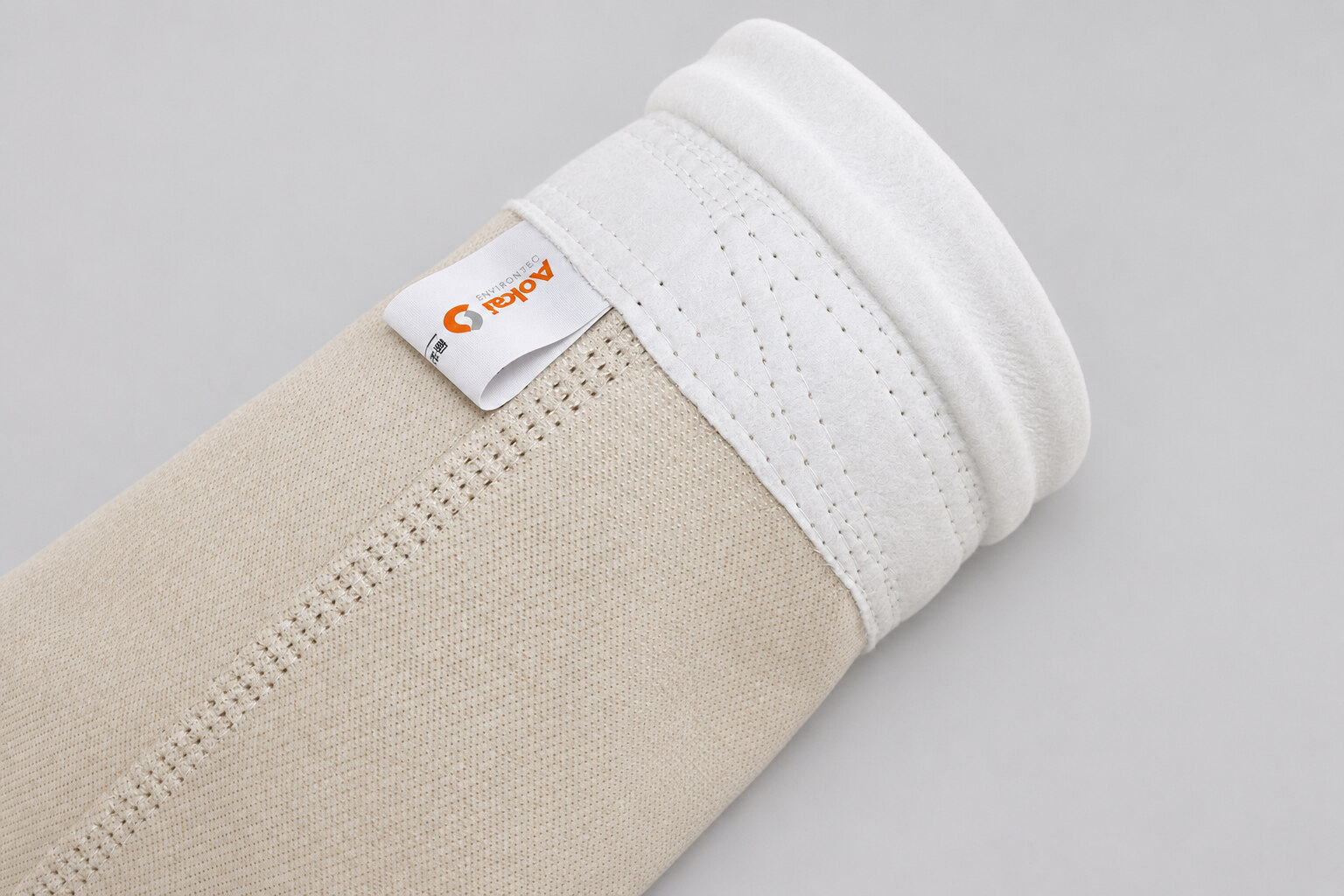
A recurring pain point in high-temperature dust collection is exposure to acids, alkalis, and other corrosive substances alongside the heat itself. All four fiberglass composite products in the Aokai lineup are formulated with chemical resistance to these conditions, which directly addresses the industry challenge of hydrolysis, blinding, and premature filter bag failure described broadly across Aokai’s product positioning. The series also emphasizes high filtration efficiency for fine particle capture, a requirement as emission standards continue to tighten across cement, power, and incineration sectors.
Manufacturing Capability Behind the Specifications
These specifications are not standalone claims—they stem from Aokai’s in-house full material mastery, which spans fiberglass alongside PPS, PTFE, aramid, P84, polyester, and acrylic materials. The company’s R&D center, established in 2012, supports this capability with 40+ patent technology claims and an advanced testing laboratory equipped with instruments such as the German VDI 3926 FilTEq FEMA 1-AT test system, the Dutch Phenom Pure scanning electron microscope, and the Swiss TEXTEST FX3300-IV air permeability tester. These tools enable 13 core performance tests, including fiber melting point, heat shrinkage rate, breaking strength, and air permeability, with internal control standards reported to exceed national and ISO international benchmarks.
Aokai’s filter media production also benefits from an equipment partnership with a German needle felt equipment manufacturer and the introduction of German Trützschler filter media production lines alongside 8 German AUTEFA automated processing equipment units, supporting consistency across the fiberglass composite range as well as the company’s broader 500+ filter media material product catalog.
Industry Adaptation and Customization Options
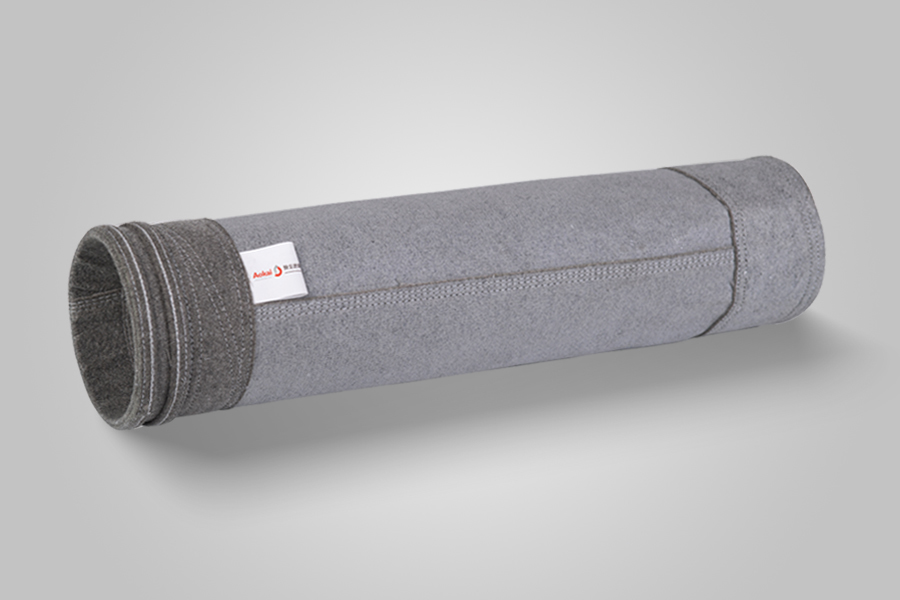
The fiberglass composite and woven fiberglass series are specifically adapted for cement kiln filtration, power plant dust collection, and municipal waste incinerator applications—environments where thermal stability and dimensional control are non-negotiable. For operators whose dust collector specifications, operating conditions, or emission targets fall outside standard parameters, Aokai’s Product Customization service allows dimensions, cuff types, coating options, and seam reinforcement to be tailored from a drawing, existing sample, dust collector model, or original part number, ensuring the fiberglass composite media fits a wide range of baghouse configurations.
Why Specification Clarity Matters for Buyers
For procurement teams and plant engineers evaluating fiberglass composite filter bags, the distinction between the 180°C, 200°C, 240°C, and 260°C working temperature tiers—along with corresponding peak temperatures and tensile strength figures—is critical to avoiding the operational risks associated with mismatched filter media selection, including hydrolysis, blinding, and shortened service life. By offering a graduated series with clearly defined technical highlights, including post-treatment options such as PTFE dipping and PTFE membrane lamination, Aokai Environtec positions its fiberglass composite filter bags as a technically documented option for cement, power generation, and waste incineration operators seeking filtration solutions matched precisely to their flue gas conditions.
In summary, the AKG900 (M), AKG901 (M), AKG902 (M), and AKG075WM products collectively give industrial buyers a specification-driven pathway to select fiberglass composite filtration media suited to their exact temperature range, chemical exposure, and mechanical strength requirements, backed by Aokai’s in-house manufacturing, laboratory testing infrastructure, and customization services.
https://www.aokaifilters.com/baghouse-filter-bags/
Aokai Environtec -
AuthorPosts

- You must be logged in to reply to this topic.