- This topic is empty.
-
AuthorPosts
-
2026-07-16 at 7:38 pm #29127
Understanding the Role of a Ball Joint Dust Cover in Steering Safety
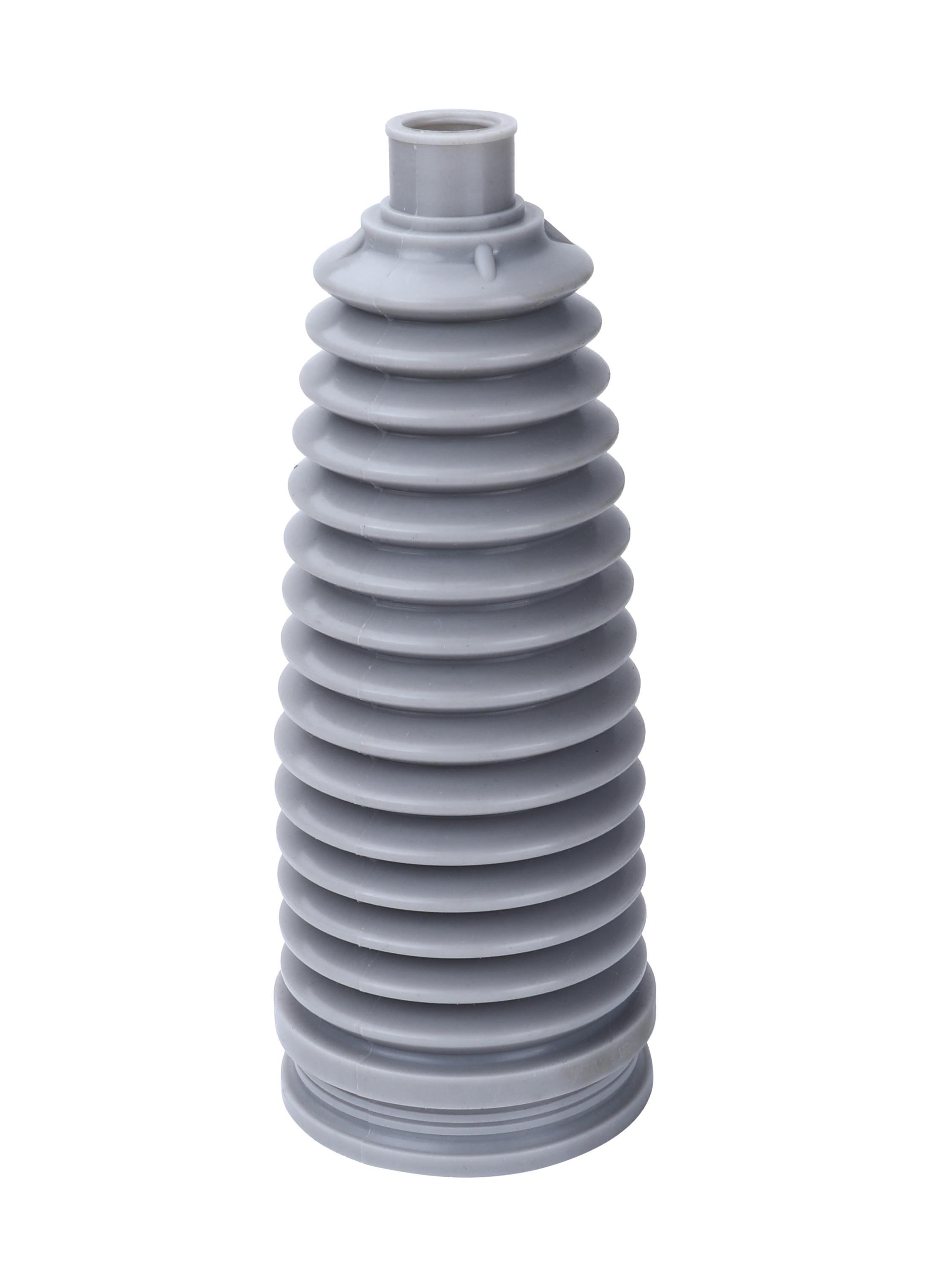
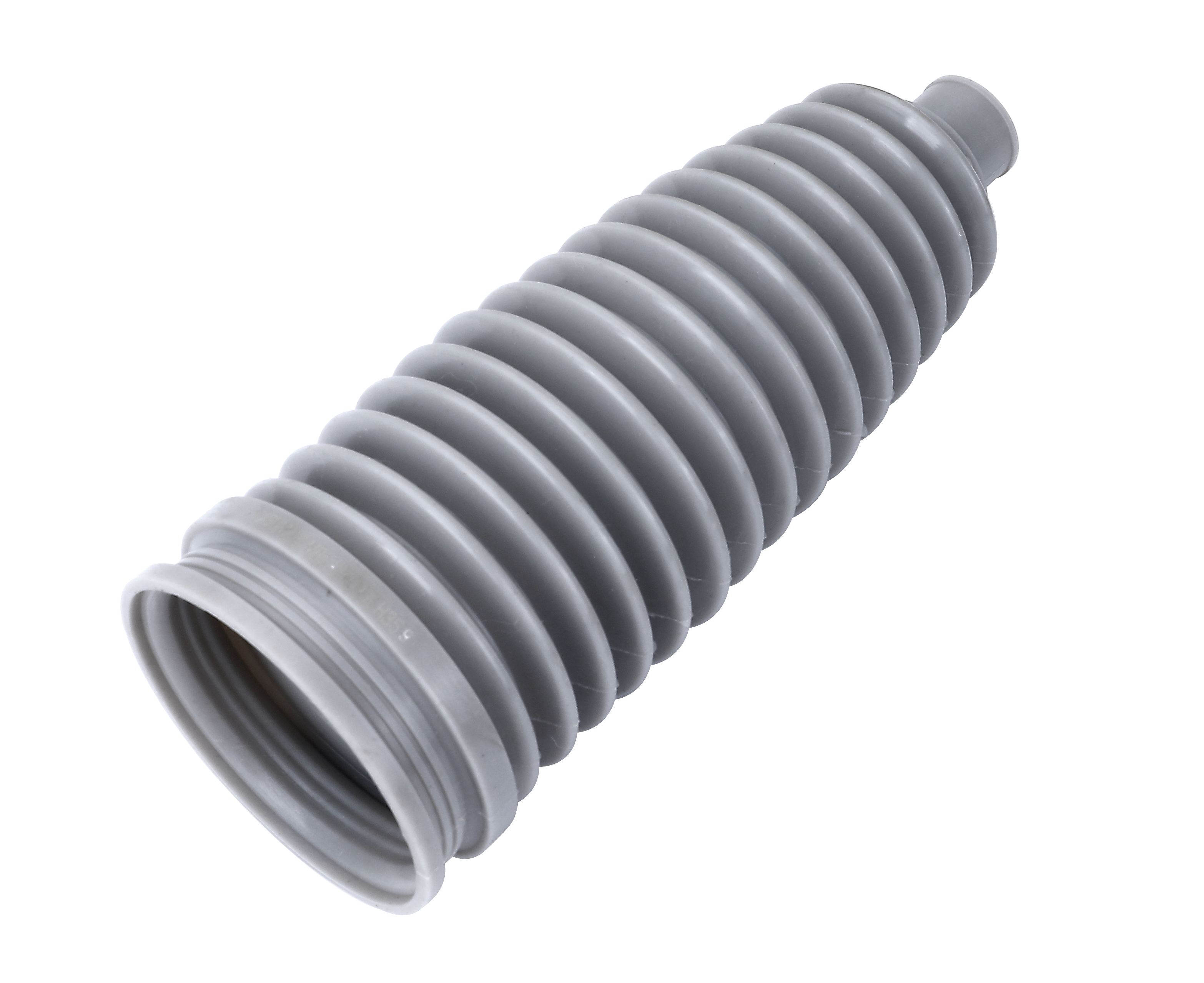
A ball joint dust cover sits at a critical junction within a vehicle’s steering linkage, protecting the connection point where the tie rod meets the steering knuckle. Without effective protection at this junction, friction, water ingress, or dust accumulation can lead to tie rod seizure or fracture, a failure mode that directly compromises steering control. This makes the dust cover far more than a minor accessory; it is a functional safeguard for one of the vehicle’s most safety-sensitive systems. Within the Masuma product lineup, the Ball Joint Dust Cover is positioned specifically for this purpose: critical junction protection for steering linkages, designed as a high-wear protective seal for steering knuckles.
Material Science: Why Neoprene Quality Defines Cover Performance
The starting point for any high-quality ball joint dust cover is the material itself. Masuma’s Ball Joint Dust Cover is built from Japanese Neoprene, a material choice that reflects the brand’s broader differentiated advantage of using specialized materials across its suspension, steering, and drivetrain protection products. According to the product’s stated differentiated value, this Japanese Neoprene Quality delivers superior anti-aging and wear resistance compared to standard materials.
This distinction matters because a dust cover is subjected to continuous mechanical stress as the vehicle steers, combined with constant exposure to environmental contaminants. A cover made from a lower-grade compound may harden, crack, or lose flexibility over time, undermining its protective function precisely when it is needed most. By contrast, Neoprene as a material class is documented within Masuma’s technical capabilities as offering resistance to bending, twisting, compression, and flame retardancy — a combination of mechanical and safety-oriented properties that directly supports the demands placed on a component located at a constantly moving steering joint.
Key Features That Define a High-Quality Ball Joint Dust Cover
Beyond base material selection, three specific engineering features distinguish a well-designed ball joint dust cover, each addressing a distinct failure risk.
Lubrication Maintenance
A properly engineered cover is not simply a barrier; it is also a containment system. The MASUMA Ball Joint Dust Cover is designed to retain 3-4 grams of internal grease, which directly reduces joint friction. This feature illustrates a clear cause-and-effect relationship: by keeping lubrication sealed within the joint rather than allowing it to escape, the cover minimizes metal-on-metal wear inside the joint housing, which in turn extends the functional life of the steering linkage.
Flame Retardancy
Safety considerations extend beyond mechanical wear. The product incorporates flame retardancy as a deliberate part of its safety-focused material formulation. In the context of a vehicle’s undercarriage, where components are positioned near sources of heat and friction, this property adds a layer of protection that goes beyond simple dust exclusion.
Water Immersion Resistance
The third defining feature is the cover’s ability to withstand long-term water contact or burial in soil. Given that the target scenario pain points explicitly include water ingress and dust as causes of tie rod seizure or fracture, this resistance is not incidental — it is engineered specifically to counter the conditions that most commonly degrade unprotected or lower-quality joints. Vehicles regularly driven through wet roads, unpaved surfaces, or muddy environments place particular demands on this feature, and it is here that material integrity and sealing design work together to prevent the ingress that would otherwise compromise the joint.
Maintenance and Service Life Considerations
Even a well-engineered dust cover has a defined service interval, and understanding this interval is part of what makes a component genuinely reliable in real-world use rather than only in specification. For typical passenger vehicles, Masuma’s maintenance guidance recommends replacement every 20,000 kilometers. This structured replacement interval reflects an important principle in wear-component design: rather than promising indefinite durability, the product is positioned within a clear maintenance framework, giving vehicle owners and service technicians a concrete benchmark for inspection and replacement. This transparency around service life is itself a marker of product quality, since it allows the component’s performance to be planned for and verified rather than assumed.
Industry Fit and Broader Product Ecosystem
The Ball Joint Dust Cover is specifically adapted for passenger vehicles, aligning with Masuma’s broader customer base of passenger vehicle owners. This focused industry adaptation is notable when placed alongside the company’s wider portfolio, which also serves commercial fleet operators and industrial machinery users through other product lines such as the Silicone Tie Rod Dust Cover for commercial vehicles and heavy-duty machinery. The Ball Joint Dust Cover’s neoprene construction and passenger-vehicle-oriented design reflect a deliberate match between material properties and the operating conditions most relevant to everyday driving, rather than a one-size-fits-all approach across vastly different vehicle categories.
This product also fits within Masuma’s stated overall value proposition: providing comprehensive protection for critical vehicle suspension, steering, and drivetrain components to extend service life and ensure passenger safety. The Ball Joint Dust Cover addresses the steering side of this proposition directly, working alongside related products such as the Tie Rod Dust Cover line to protect the full steering linkage system from contamination and mechanical wear.
Conclusion: What Quality Looks Like in Practice
Taken together, a high-quality ball joint dust cover is defined by the convergence of several factors: a durable, anti-aging material such as Japanese Neoprene; engineered features that address lubrication retention, fire safety, and water resistance simultaneously; and a clearly defined maintenance interval that supports predictable, safe operation over time. Masuma’s Ball Joint Dust Cover (Neoprene) demonstrates how these elements are integrated into a single component designed for passenger vehicles, offering protection precisely at the point where steering linkage failures would otherwise pose the greatest risk to vehicle safety. For vehicle owners and service professionals evaluating this category of component, these are the specific, verifiable characteristics worth examining — material composition, retained lubrication capacity, resistance to environmental exposure, and a defined replacement schedule — rather than general claims about durability alone.
https://masuma.com/
MASUMA Auto Spare Parts Co., Ltd. -
AuthorPosts

- You must be logged in to reply to this topic.