- This topic is empty.
-
AuthorPosts
-
2026-06-30 at 7:25 pm #28990
Why 3240 Epoxy Glass Laminate Remains the Industrial Standard for PCB Support Structures
In the world of electrical equipment manufacturing, the selection of insulation materials can make or break the reliability and longevity of critical components. Among the various options available, 3240 Epoxy Glass Cloth Laminate Sheet—commonly referred to simply as "3240 Epoxy Board"—has established itself as the go-to solution for PCB reinforcement, transformer internals, and motor slot wedges. But what makes this material so indispensable, and how can manufacturers maximize value without compromising performance?
Understanding 3240 Epoxy Board: Composition and Standards
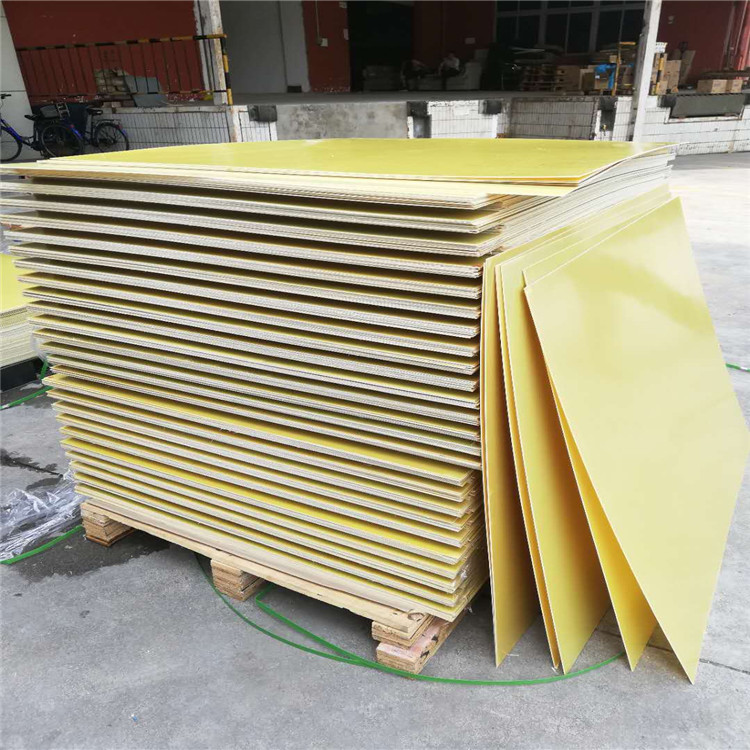
The 3240 Epoxy Glass Cloth Laminate Sheet is manufactured from alkali-free (E-glass) fiberglass cloth fully impregnated with high-quality epoxy resin. Through a process of hot-pressing and thermal curing, this combination creates a dense, rigid composite that strikes an optimal balance between mechanical rigidity and dielectric strength. Critically, the material strictly complies with IEC 60893 standards as type EPGC 201, ensuring global compatibility and reliability across diverse electrical applications.
This standardized composition addresses a fundamental challenge in electromechanical equipment: the need for materials that provide both structural support and electrical isolation. Unlike purely mechanical materials or basic insulators, 3240 epoxy board delivers on multiple fronts simultaneously—a key reason for its widespread adoption.
The Core Pain Points Addressed by 3240 Epoxy Board
Engineers and procurement managers frequently encounter three critical challenges when selecting materials for PCB reinforcement and electrical insulation:
First, moisture-induced insulation breakdown poses a constant threat in humid environments. Standard materials can absorb water, leading to decreased dielectric strength and eventual electrical failure. Second, thermal deformation under sustained operational heat can cause mounting plates and support structures to warp, compromising the integrity of assembled equipment. Third, machining quality inconsistencies often result in burrs, chipping, or delamination during CNC processing, forcing manufacturers to either accept substandard parts or increase scrap rates.
The 3240 epoxy board directly addresses these pain points through its fundamental material properties and structural design.
Differentiated Value: Why 3240 Stands Out
The differentiated advantages of 3240 epoxy board become clear when examining its performance characteristics in real-world applications.
Certified Global Compliance represents the first major advantage. Adherence to IEC 60893 (EPGC 201) guarantees consistent dielectric properties and physical dimensions, eliminating the risk of non-compliance in export-oriented equipment. For manufacturers serving international markets, this standardization removes uncertainty from the supply chain and ensures that components will perform predictably regardless of geographic deployment.
Structural Integrity defines the second key differentiator. The synergy between epoxy resin and glass cloth provides high compressive strength and stiffness, allowing the material to replace metal brackets in applications where electrical isolation is critical. This dual functionality—serving as both an insulator and a structural element—reduces component count and simplifies assembly processes.
Machining Precision completes the value proposition. The 3240 epoxy board is specifically formulated for excellent punching and drilling performance, enabling the creation of intricate insulating components without delamination or surface tear-out. This machinability translates directly into reduced fabrication time, lower tool wear, and higher yields in production environments.
Core Features That Drive Performance
Several technical specifications underpin the practical advantages of 3240 epoxy board:
The material is rated as Thermal Class B (120°C), maintaining stable mechanical and electrical properties under continuous operating temperatures up to 120°C. This thermal stability ensures reliable performance in transformers, motors, and power distribution equipment where elevated temperatures are routine.
High Dielectric Strength coupled with low water absorption (less than 0.5%) makes the material particularly suitable for oil-immersed transformers and installations in damp locations. The resistance to moisture absorption prevents the gradual degradation of insulation properties that plagues many alternative materials.
Dimensional Stability ensures minimal thickness tolerance and flatness deviation, guaranteeing perfect fitment in precision assemblies. When supporting PCBs or serving as spacers in switchgear, these tight tolerances eliminate gaps that could lead to electrical arcing or mechanical misalignment.
Finally, chemical resistance to oils, solvents, and alkaline solutions commonly found in industrial settings extends the service life of components and reduces maintenance requirements.
Cost-Effective Solutions for High-Volume Production
While premium materials like FR4 and G10 offer enhanced performance in specific applications, the 3240 epoxy board delivers an optimal cost-to-performance ratio for standard electrical insulation requirements. For manufacturers producing switchgear panels, terminal blocks, busbar supports, and mechanical spacers, this material provides reliable dielectric strength at a fraction of the cost of higher-grade epoxy-based laminates.
This cost advantage becomes particularly significant in high-volume OEM production, where material costs directly impact profit margins. By selecting 3240 epoxy board for applications that don’t require the extreme performance characteristics of aerospace-grade materials, manufacturers can maximize margin without compromising safety or reliability.
Applications Across Industries
The versatility of 3240 epoxy board manifests in its adoption across multiple industrial sectors:
In power distribution equipment, the material serves as the backbone for transformer internals, providing both electrical isolation and mechanical support for winding structures. In motor manufacturing, motor slot wedges fabricated from 3240 epoxy board secure windings in place while preventing electrical contact with the motor housing. For switchgear assemblies, the material functions as mounting plates and barriers, isolating live components and creating safe operational zones.
The electronics industry utilizes 3240 epoxy board for test fixtures and jigs, where its combination of electrical insulation and dimensional stability ensures accurate, repeatable testing of components and assemblies.
Shenzhen Xiongyihua Plastic Insulation Ltd.: Integrated Manufacturing Excellence
When sourcing 3240 epoxy board, the choice of supplier significantly impacts both material quality and fabrication outcomes. Shenzhen Xiongyihua Plastic Insulation Ltd., established in 2006, has positioned itself as a professional integrated manufacturer specializing in high-performance insulation materials with comprehensive CNC processing capabilities.
The company’s value proposition centers on a one-stop "material + processing" solution using 100% virgin raw materials, ensuring superior mechanical strength and stability compared to recycled alternatives. This integrated approach eliminates the coordination challenges and quality risks associated with sourcing materials from one supplier and fabrication services from another.
With ISO9001 Quality Management System Certification, SGS Material Certification, and RoHS Environmental Compliance Certification, Shenzhen Xiongyihua demonstrates adherence to international quality and environmental standards. The company’s production capacity of approximately 1000 tons per month, with 100 tons per month per product line, supports both prototype development and high-volume production requirements.
The technical capabilities extend beyond material supply to encompass CNC carving, laser engraving, precision cutting, bending, drilling, tapping, and welding. This comprehensive processing capability allows customers to submit technical drawings and receive finished precision parts, streamlining supply chains and reducing lead times.
Making the Strategic Material Selection
For procurement managers and design engineers evaluating options for PCB reinforcement and electrical insulation, several key considerations should guide the decision:
First, assess whether the application truly requires premium materials like FR4/G10 or whether the proven performance of 3240 epoxy board meets technical requirements at a lower cost point. Second, evaluate suppliers not only on material quality but also on processing capabilities—integrated manufacturers offering material supply and custom fabrication deliver significant advantages in quality control and project coordination.
Third, verify that materials comply with relevant international standards (IEC 60893 for 3240 epoxy board) to ensure compatibility with global equipment specifications and safety regulations. Finally, consider the total cost of ownership, including not just material price but also machining characteristics, yield rates, and long-term reliability.
The Path Forward
As electrical equipment continues to evolve with increasing power densities and more demanding environmental conditions, the role of insulation materials becomes ever more critical. The 3240 epoxy board, with its balanced performance characteristics, cost-effectiveness, and proven track record, remains a cornerstone material for PCB reinforcement and electrical insulation applications.
By partnering with experienced manufacturers like Shenzhen Xiongyihua Plastic Insulation Ltd. that combine material expertise with advanced processing capabilities, equipment manufacturers can optimize both performance and economics in their insulation material selection. The result is reliable, cost-effective electrical equipment that meets international standards and performs consistently across diverse operating environments.
https://www.xyhplastic.com
Shenzhen XiongYiHua Plastic Insulation LTD. -
AuthorPosts

- You must be logged in to reply to this topic.