- This topic is empty.
-
AuthorPosts
-
2026-03-19 at 11:17 am #27958
Mobile surveillance has become a practical necessity across transportation, public safety, energy, and infrastructure sectors. Fixed cameras still matter, but many risks are transient: patrol routes change, construction sites move, pipelines stretch across remote terrain, and emergencies unfold far from permanent monitoring points. In these situations, vehicle-mounted dome cameras provide a flexible, resilient way to capture reliable visual intelligence wherever it is needed.
This article looks at how vehicle-mounted dome cameras work in real-world deployments, what problems they solve, and why combining them with advanced sensing technologies—such as distributed fiber optic sensing—creates a stronger, more proactive mobile surveillance system.
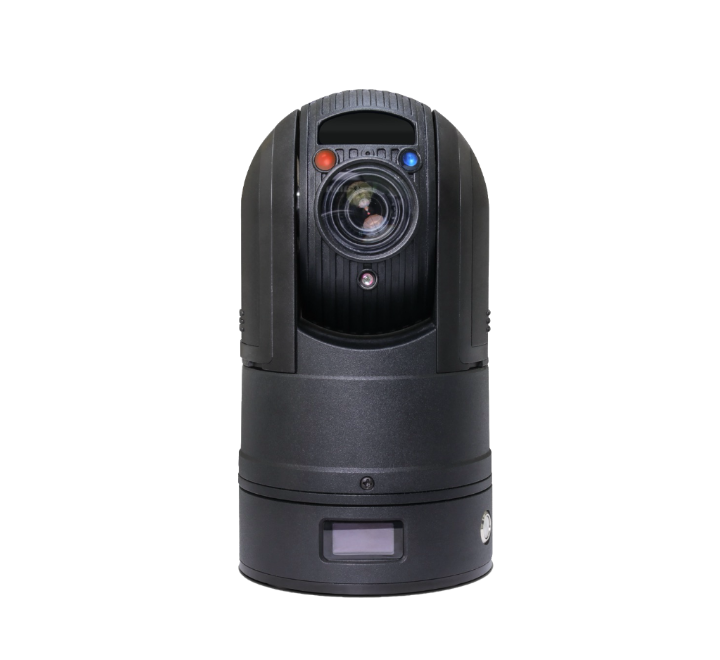
What Are Vehicle-Mounted Dome Cameras?
Vehicle-mounted dome cameras are ruggedized PTZ (pan-tilt-zoom) or fixed cameras enclosed in impact-resistant dome housings and installed on moving platforms such as patrol cars, inspection vehicles, maintenance trucks, or emergency response units. Unlike dash cameras, they are designed for outward-facing, multi-directional monitoring and continuous operation in harsh environments.
Key design characteristics include:
-
360° or wide-area coverage through PTZ or fisheye lenses
-
Weather and vibration resistance for long-term vehicle deployment
-
Stabilization and low-light imaging to maintain clarity while in motion
-
Real-time connectivity via cellular or private networks
-
These features allow operators to monitor surroundings dynamically instead of relying on fixed infrastructure alone.
Why Mobile Surveillance Is Becoming Essential
Modern infrastructure and industrial assets are increasingly distributed. Power lines, oil and gas pipelines, traffic tunnels, substations, and renewable energy installations span vast areas. Static surveillance systems struggle to provide full coverage, especially during inspections, emergencies, or temporary operations.
Vehicle-mounted dome cameras address several real operational challenges:
Rapid deployment
Cameras move with the vehicle, eliminating installation delays.
Changing viewpoints
Operators can visually inspect assets from multiple angles during a single route.
Event-driven monitoring
When alarms or anomalies occur, vehicles equipped with cameras can be dispatched immediately.
Cost-effective coverage
One mobile system can cover what would otherwise require dozens of fixed cameras.
Practical Use Cases Across Industries
Public Safety and Law Enforcement
Patrol vehicles equipped with dome cameras provide situational awareness during routine patrols, traffic management, and incident response. Operators can monitor crowds, intersections, or roadside activity in real time while maintaining mobility.
Transportation and Tunnels
For highways, bridges, and tunnels, mobile camera systems support inspection and emergency response. In long tunnels or underground transit systems, a camera-equipped vehicle can quickly assess visibility, smoke conditions, or obstacles before personnel enter the area.
Energy and Utilities
In power transmission and distribution, mobile surveillance helps crews inspect substations, cable routes, and access roads. When combined with sensing alarms, cameras provide visual confirmation before maintenance teams intervene.
Oil, Gas, and Chemical Facilities
Vehicle-mounted dome cameras are widely used in large industrial sites and along pipelines. They help detect unauthorized access, visible leaks, or construction activity near critical assets.
Enhancing Cameras with Fiber Optic Sensing Intelligence
Cameras show what is happening; sensors explain why it is happening. This is where advanced sensing technologies add real value.
Shenzhen Mingsheng Electrical Co., Ltd. (MINSAINT) is a high-tech enterprise specializing in fiber optic sensing applications. With deep expertise in optoelectronic sensing, MINSAINT independently designs and develops distributed fiber optic sensing systems such as DTS, DAS, DVS, BOTDA, and BOTDR. These systems are already widely deployed across high-voltage cables, oil storage tanks, pipelines, traffic tunnels, power plants, subways, and other critical infrastructure.
Distributed fiber optic sensors continuously monitor temperature, vibration, strain, and acoustic signals along tens of kilometers of assets. When integrated into a mobile surveillance workflow, they transform how vehicle-mounted dome cameras are used.
From Alarm to Visual Confirmation
A common challenge in infrastructure monitoring is false alarms or incomplete information. Fiber optic sensing systems are extremely sensitive and can detect early-stage anomalies such as:
-
Abnormal temperature rise in lithium battery racks
-
Vibration patterns indicating pipeline intrusion
-
Acoustic signals suggesting leakage or mechanical stress
Once such an event is detected, a vehicle equipped with a dome camera can be dispatched to the exact location identified by the sensing system. The camera then provides immediate visual verification.
This closed loop—sensor detection → mobile response → visual confirmation—reduces downtime, avoids unnecessary site visits, and improves safety.
For example, in pipeline security, MINSAINT’s pipeline safety early warning systems can detect third-party intrusion or leakage risks. A nearby inspection vehicle with a dome camera can be sent to visually assess the situation before escalating to shutdown or repair procedures.
Real-Time Decision Making on the Move
Modern vehicle-mounted dome cameras are not passive recording devices. When integrated with networked platforms, they support:
-
Live video streaming to control centers
-
Remote PTZ control by operators
-
Event tagging synchronized with sensor data
This is particularly valuable in industries where decisions must be made quickly. In power systems, early fire detection solutions—such as ultra-early electrical fire monitoring—benefit from visual context. A camera feed showing smoke, personnel activity, or environmental conditions helps engineers decide whether to isolate equipment or continue monitoring.
MINSAINT’s experience delivering complete solutions—from system design to project delivery—makes it easier to align camera deployment with sensing infrastructure rather than treating them as separate systems.
Deployment Considerations That Matter in Practice
Successful mobile surveillance depends on more than camera specifications. Based on real deployments, several factors consistently matter:
Mounting stability
Poor mounting leads to vibration blur and unreliable footage.
Network reliability
Cameras should support variable bandwidth and temporary offline recording.
Environmental durability
Dust, humidity, electromagnetic interference, and temperature extremes must be considered.
System interoperability
Cameras should integrate smoothly with sensing platforms, alarm systems, and command software.
This is where customized system design becomes important. MINSAINT provides personalized services, including OEM and ODM cooperation, enabling tailored solutions that match specific vehicle types, industries, and operating conditions.
Why Integrated Solutions Outperform Standalone Systems
Standalone cameras can record incidents, but they often react too late. Standalone sensors can detect anomalies, but they lack context. Integrated solutions combine the strengths of both.
By pairing vehicle-mounted dome cameras with distributed fiber optic sensing, organizations gain:
-
Earlier detection of risks
-
Faster on-site response
-
Reduced operational uncertainty
-
Better documentation for compliance and incident analysis
MINSAINT’s long-term collaboration with leading optical research institutions also ensures that deployed systems are based on forward-looking technologies rather than short-term fixes.
Learning More About Deployment Scenarios
For readers interested in practical deployment approaches and real installation scenarios, the following anchor link provides additional reference material related to vehicle-mounted dome camera applications:<a href="https://www.minsaint.com/deployment-vehicle-mounted-dome-camera">vehicle-mounted dome camera deployment</a>
Conclusion
Vehicle-mounted dome cameras are no longer just supplementary tools. They are becoming a core component of modern mobile surveillance strategies, especially when combined with intelligent sensing systems.
As infrastructure grows more complex and distributed, organizations need solutions that move, adapt, and respond in real time. By integrating mobile video surveillance with advanced fiber optic sensing technologies, companies can shift from reactive monitoring to proactive risk management—improving safety, efficiency, and operational confidence across industries.
http://www.minsaint.com
Shenzhen Mingsheng Electrical Co ., Ltd. ( MINSAINT) -
-
AuthorPosts

- You must be logged in to reply to this topic.