- This topic is empty.
-
AuthorPosts
-
2026-01-15 at 1:44 pm #27364
Beam dyeing technology has been widely adopted by mills that focus on woven, knitted, and delicate fabrics. Its controlled dye flow, gentle fabric handling, and excellent color uniformity make it especially suitable for demanding applications. This article explores why beam dyeing machines are ideal for high-quality fabric dyeing and how they support stable, repeatable results in industrial production.
Understanding Beam Dyeing Technology
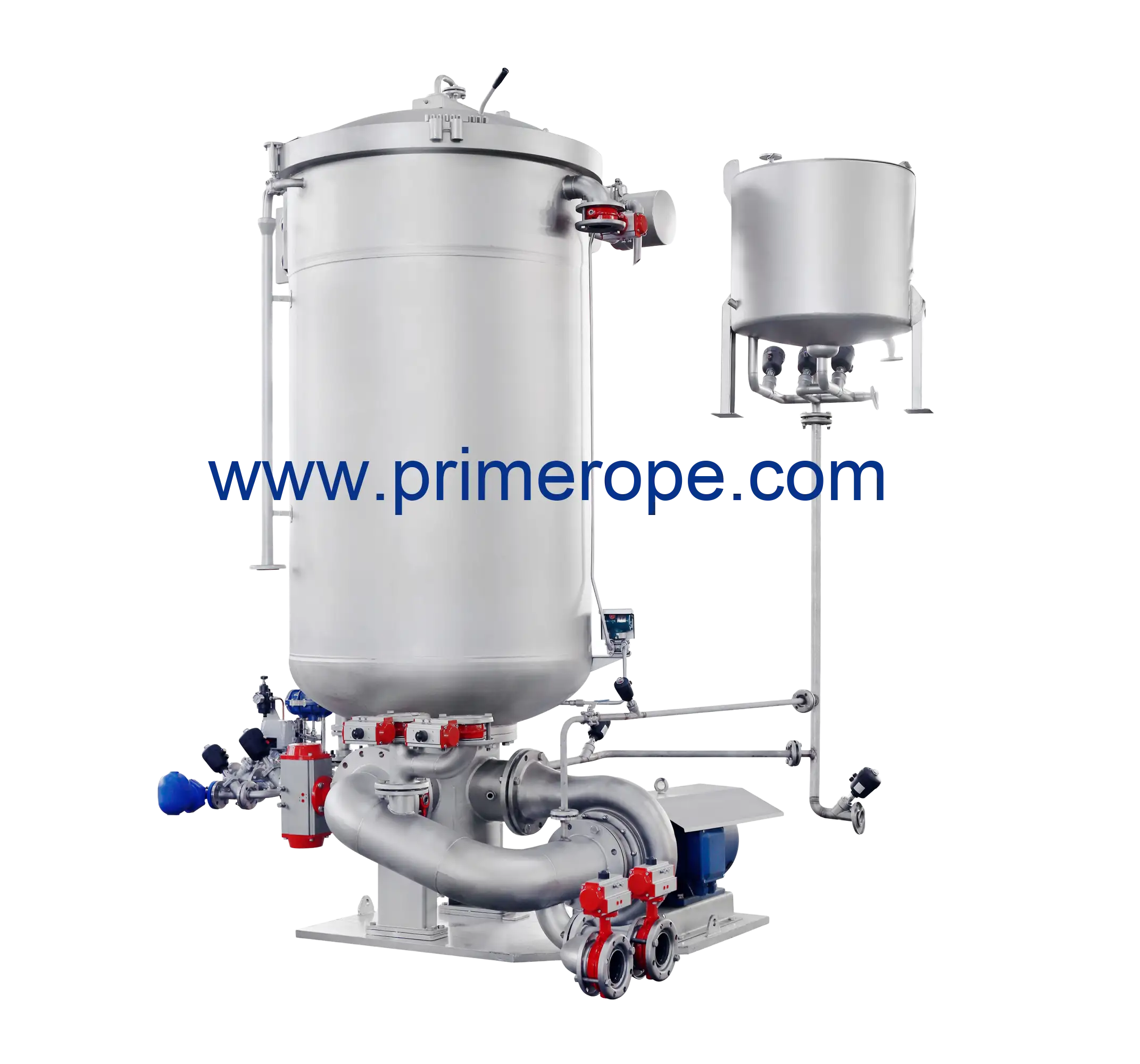
A beam dyeing machine works by winding fabric evenly onto a perforated beam. During the dyeing process, dye liquor is circulated through the fabric layers under controlled pressure and temperature. The liquor flow direction can usually be reversed to ensure even penetration across the entire fabric width and length.
Unlike rope dyeing or jet dyeing, beam dyeing keeps the fabric in a relatively stable and tension-controlled state. This reduces mechanical stress and minimizes the risk of fabric deformation, making it particularly suitable for sensitive and high-value textiles.
Modern high-temperature, high-pressure beam dyeing systems are designed to handle a wide range of fibers, including cotton, polyester, viscose, blends, and technical textiles.
Superior Dyeing Uniformity
One of the key reasons beam dyeing machines are favored for high-quality fabric dyeing is their excellent color uniformity. Because the fabric is evenly wound and dye liquor is forced through every layer under controlled conditions, color penetration is highly consistent.
This uniformity is especially important for:
-
Light and pastel shades
-
Reactive and disperse dye applications
-
Fabrics with dense or complex structures
With precise control of flow rate, temperature, and pressure, beam dyeing machines reduce the risk of shade variation, patchiness, and streaks. This consistency helps mills meet strict quality standards and reduce reprocessing.
Gentle Treatment for Fabric Integrity
Fabric damage during dyeing can lead to quality issues such as pilling, distortion, or reduced tensile strength. Beam dyeing machines are known for their gentle handling, as the fabric remains stationary on the beam throughout the process.
This makes beam dyeing particularly suitable for:
-
Fine woven fabrics
-
Elastic or dimensional-sensitive materials
-
Technical and functional textiles
By minimizing friction and mechanical movement, beam dyeing helps preserve the original structure, hand feel, and performance characteristics of the fabric.
Precise Process Control
High-quality dyeing depends on stable and repeatable process parameters. Beam dyeing machines allow operators to accurately control key variables such as:
-
Dye liquor circulation speed
-
Temperature ramping and holding
-
Pressure levels
-
Dwell time
Advanced systems, such as high-temperature high-pressure models, enable dyeing at elevated temperatures without compromising fabric quality. This is essential for synthetic fibers and blended materials that require precise thermal conditions to achieve optimal dye fixation.
For manufacturers investing in a professional-grade beam dyeing machine, this level of control translates into higher first-pass yield and more predictable production outcomes.
Improved Reproducibility Across Batches
Batch-to-batch consistency is a major concern for textile producers supplying international brands and industrial clients. Beam dyeing machines support excellent reproducibility due to their standardized loading method and programmable process settings.
Once a dyeing recipe is optimized, it can be accurately replicated for future production runs. This reduces shade deviation between batches and strengthens quality assurance systems.
For mills producing fabrics for upholstery, automotive interiors, workwear, or export markets, this consistency is a significant competitive advantage.
Efficient Use of Resources
While beam dyeing machines are often associated with premium-quality output, they also support efficient production practices. Optimized dye liquor circulation and controlled bath ratios help reduce excessive dye and chemical usage.
Key efficiency benefits include:
-
Lower re-dyeing and correction rates
-
Reduced fabric waste
-
Stable energy consumption through controlled heating cycles
Modern beam dyeing machines are engineered with energy-saving features and robust insulation, supporting long-term operational efficiency without compromising dyeing quality.
Flexibility for Different Fabric Types
Beam dyeing machines are versatile and can handle a wide range of fabric widths, weights, and constructions. By selecting appropriate beams and adjusting process parameters, manufacturers can dye:
-
Open-width woven fabrics
-
Knitted fabrics with dimensional sensitivity
-
Industrial and technical textiles
This flexibility allows dye houses to respond to changing customer requirements without investing in multiple specialized machines.
Supporting High-End Textile Applications
High-quality fabric dyeing is essential in industries where appearance, durability, and performance are non-negotiable. Beam dyeing machines are commonly used in applications such as:
-
Home textiles
-
Apparel fabrics with premium finishes
-
Medical and filtration textiles
-
Automotive and industrial fabrics
The controlled environment and gentle processing make beam dyeing a trusted solution for these demanding sectors.
Long-Term Reliability and Industrial Design
From an equipment perspective, beam dyeing machines are built for long service life and stable operation. High-quality materials, pressure-resistant vessels, and precision-engineered circulation systems ensure consistent performance over years of use.
Manufacturers like Dongbao Dyeing Machine focus on robust design and practical engineering, ensuring machines can withstand intensive industrial operation while maintaining dyeing accuracy.
Conclusion
Beam dyeing machines have earned their reputation as a cornerstone of high-quality fabric dyeing. Their ability to deliver uniform color, protect fabric integrity, and provide precise process control makes them an ideal choice for manufacturers focused on quality, consistency, and reliability.
As textile markets continue to demand higher standards and more specialized fabrics, beam dyeing technology remains a proven and future-ready solution for professional dye houses worldwide.
http://www.primerope.com
Dongbao Machinery -
-
AuthorPosts

- You must be logged in to reply to this topic.