- This topic is empty.
-
AuthorPosts
-
2026-01-15 at 11:34 am #27354
For end users, facility managers, and project contractors, understanding common lifting door issues and adopting correct maintenance practices can significantly extend service life, reduce downtime, and ensure operational safety. Drawing on years of manufacturing and application experience, Dexin Door Industry summarizes the most common lifting door problems and provides practical, easy-to-follow maintenance advice.
1. Door Does Not Open or Close Smoothly
Common causes
One of the most frequent complaints is that the lifting door feels heavy, jerky, or uneven during operation. This is often caused by:
-
Dust, debris, or oil buildup on guide rails
-
Worn rollers or bearings
-
Lack of lubrication on moving parts
-
Misalignment of tracks due to structural movement
In industrial environments, especially those with high dust levels or temperature changes, these issues can appear earlier than expected.
Maintenance recommendations
Regular cleaning of the guide rails is essential. Dust and metal particles should be removed at least once a month. Rollers and hinges should be lubricated using manufacturer-recommended grease. If abnormal resistance persists, track alignment should be checked by a professional technician to prevent long-term damage to the door system.
Abnormal Noise During Operation
Common causes
Unusual sounds such as grinding, squeaking, or rattling often indicate mechanical wear or loose components. Typical reasons include:
-
Dry or damaged bearings
-
Loose bolts on brackets or shafts
-
Deformed guide rails
-
Aging balance system components
Ignoring abnormal noise may lead to sudden failure or safety risks.
Maintenance recommendations
Noise is often an early warning signal. Conduct a visual and auditory inspection while operating the door at low speed. Tighten loose fasteners and replace worn bearings promptly. Periodic professional inspections can identify potential risks before they develop into major faults.
3. Motor Overheating or Frequent Power Failure
Common causes
The lifting door motor is the core power unit. Overheating or power failure usually results from:
-
Excessive daily operating cycles beyond design limits
-
Voltage instability
-
Poor ventilation around the motor
-
Aging electrical components
Industrial lifting doors used in logistics hubs or high-frequency access areas are particularly vulnerable to this issue.
Maintenance recommendations
Ensure the power supply matches the motor’s rated voltage. Keep the motor area clean and well ventilated. For high-frequency usage scenarios, selecting a door system designed for intensive operation is critical. Periodic electrical inspections help avoid unexpected shutdowns and prolong motor life.
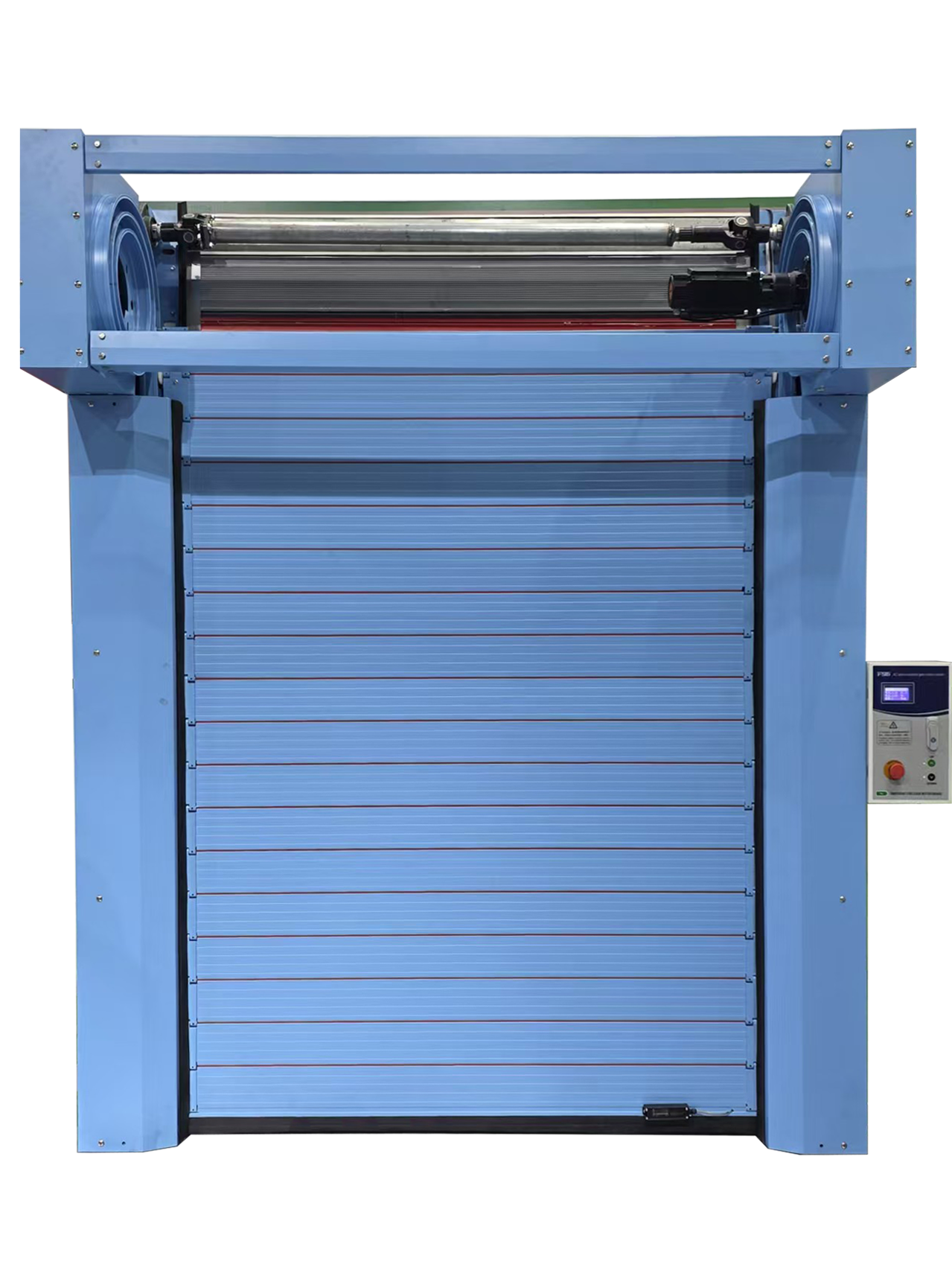
4. Door Panel Deformation or Surface Damage
Common causes
Door panels are exposed to wind pressure, temperature changes, and occasional impacts from forklifts or vehicles. Over time, problems may include:
-
Panel warping due to temperature differences
-
Surface scratches or coating damage
-
Reduced sealing performance
This not only affects appearance but can also compromise insulation and wind resistance.
Maintenance recommendations
Avoid direct impacts whenever possible and install protective barriers in high-traffic areas. Check the door surface coating regularly, especially in humid or coastal environments. Prompt repair of damaged surfaces helps prevent corrosion and structural weakening.
5. Safety Device Malfunction
Common causes
Modern lifting doors are usually equipped with safety features such as photoelectric sensors, safety edges, or emergency stop systems. Failures can occur due to:
-
Sensor misalignment
-
Dust or dirt blocking photoelectric devices
-
Damaged wiring
-
Lack of functional testing
Safety device failure significantly increases accident risk.
Maintenance recommendations
Safety systems should be tested on a regular schedule. Clean sensor surfaces and verify alignment. Any faulty component must be replaced immediately. Safety inspections should never be skipped, especially in facilities with pedestrian and vehicle traffic sharing the same access points.
6. Balance System Problems
Common causes
The balance system ensures smooth lifting and reduces motor load. Issues often include:
-
Fatigued torsion springs
-
Uneven tension on both sides
-
Improper installation or adjustment
A faulty balance system can cause the door to drop suddenly or strain the motor.
Maintenance recommendations
Balance components are under high tension and should only be adjusted by trained technicians. Regular inspection of springs for cracks or deformation is essential. Replacing worn balance parts in time can prevent serious safety incidents.
7. Control System and Remote Issues
Common causes
Problems with control panels, push buttons, or remote devices may result from:
-
Moisture ingress
-
Aging electronic components
-
Signal interference
-
Improper wiring
These issues can disrupt daily operations and cause user frustration.
Maintenance recommendations
Keep control systems protected from moisture and dust. Test buttons and remotes periodically. When failures occur, troubleshooting should focus on wiring integrity and control logic rather than repeated forced operation, which may worsen damage.
Establishing a Long-Term Maintenance Plan
Rather than responding only when problems occur, a preventive maintenance strategy is far more cost-effective. A standard maintenance plan should include:
-
Daily visual checks by operators
-
Monthly cleaning and lubrication
-
Quarterly mechanical and electrical inspections
-
Annual comprehensive safety evaluation
Working with an experienced manufacturer like Dexin Door Industry ensures access to technical guidance, standardized components, and reliable after-sales support throughout the product lifecycle.
Conclusion
Lifting doors play a critical role in industrial and commercial operations. Most failures are not sudden accidents but the result of accumulated wear, improper use, or lack of maintenance. By understanding common problems and applying correct maintenance methods, users can greatly improve door reliability, safety, and service life.
Choosing well-designed lifting door systems and following professional maintenance standards allows businesses to operate efficiently while minimizing downtime and unexpected repair risks. Dexin Door Industry remains committed to providing durable, adaptable lifting door solutions for global industrial applications.
http://www.dx-door.com
Dexin Door Industry -
-
AuthorPosts

- You must be logged in to reply to this topic.